
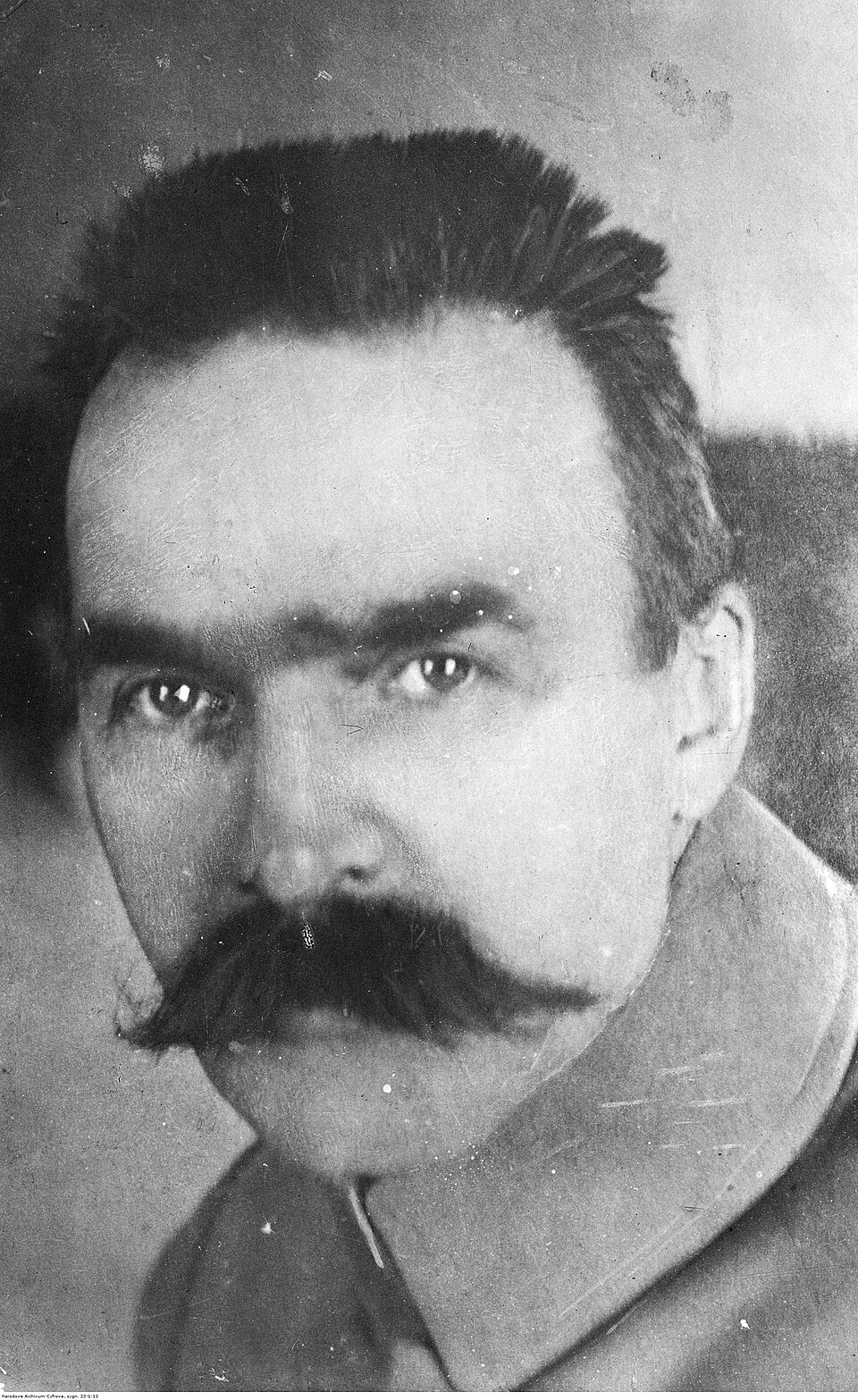
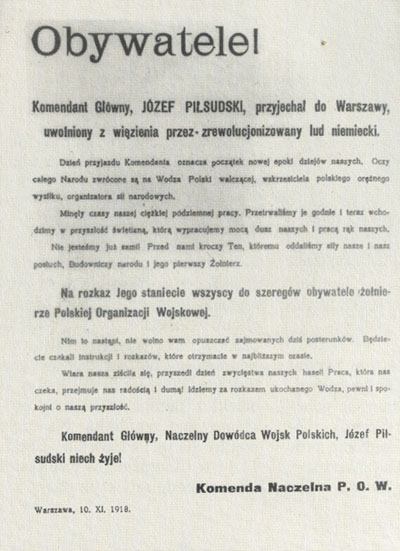
- On 11 November 1918, the Regency Council transferred military authority to Józef Piłsudski. Building the state and establishing its borders took longer.
- On 28 November 1918, Polish women gained the right to vote and stand for election to the Sejm.
- 11 November became a national holiday in 1937. After the war, it was restored in 1989.
1795–1918. A state disappears, a society endures
After the third partition in 1795, the Polish–Lithuanian Commonwealth ceased to exist as an independent state. Its lands were divided between Russia, Prussia and Austria. For generations, Polish culture, language and historical memory survived in families, schools, literature and social organisations. The struggle for freedom included uprisings, but also everyday work: education, community organisation and preserving shared ties. In 1918, the state was therefore rebuilt by a society that was not starting from nothing.
Autumn 1918. Different cities regain their freedom
The First World War weakened all three partitioning powers. In autumn 1918, the opportunity to restore an independent state emerged, and Polish centres of authority appeared in different places. On 31 October, Polish soldiers took control of Kraków. On 7 November, the Provisional People’s Government of the Republic of Poland, led by Ignacy Daszyński, was formed in Lublin. Independence thus had many local beginnings. The Warsaw date became a shared symbol without replacing the histories of other regions.
11 November. A day becomes a symbol
Józef Piłsudski returned to Warsaw from imprisonment in Magdeburg on 10 November 1918. The next day, the Regency Council transferred military authority to him; civilian authority followed on 14 November. On 11 November, the armistice signed at Compiègne also ended fighting on the Western Front of the First World War. Polish and European events thus converge on one date. It did not mean that Poland’s borders were settled or that fighting had ended throughout the lands that would form the restored state.
Many paths towards one state
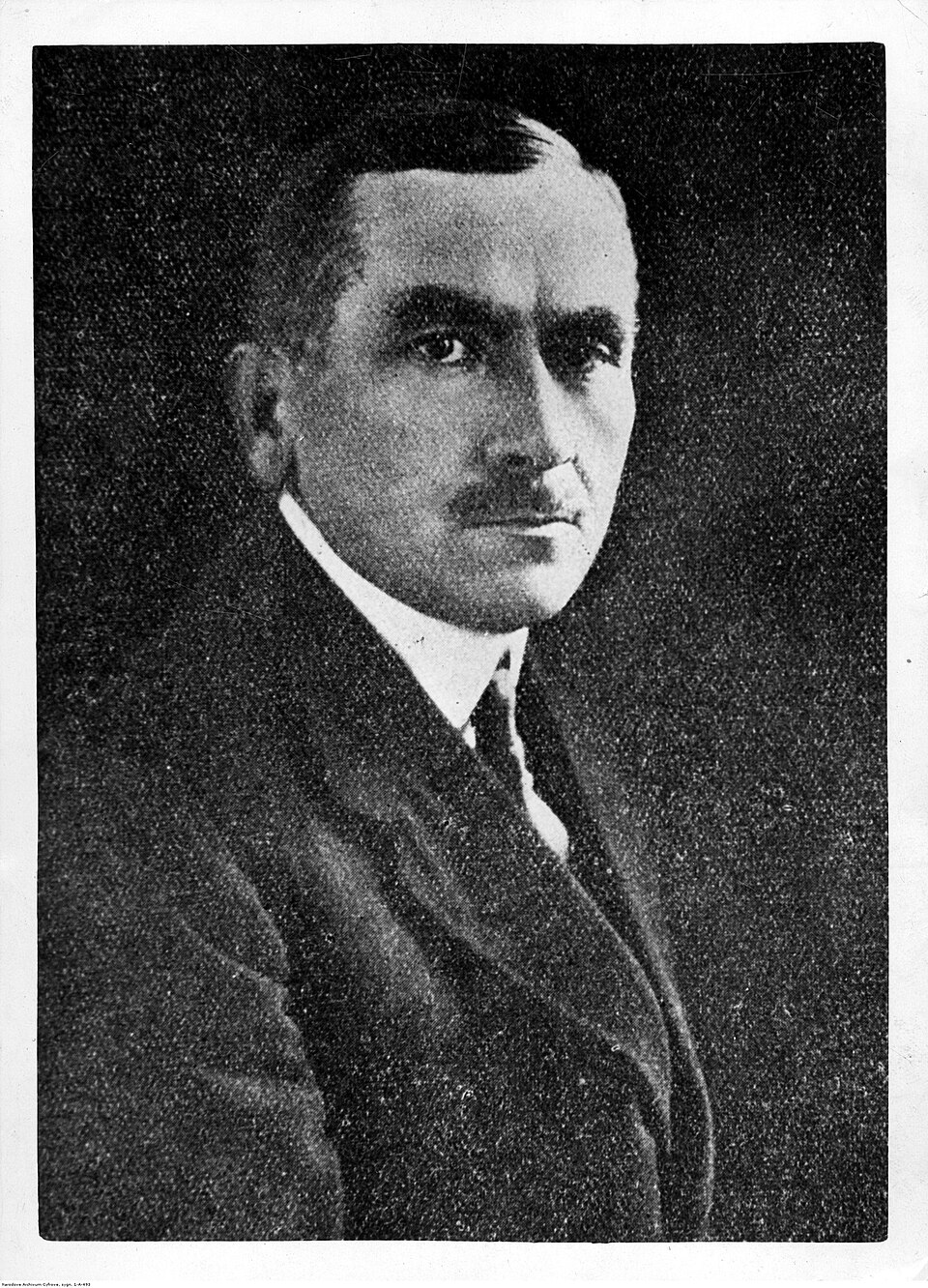
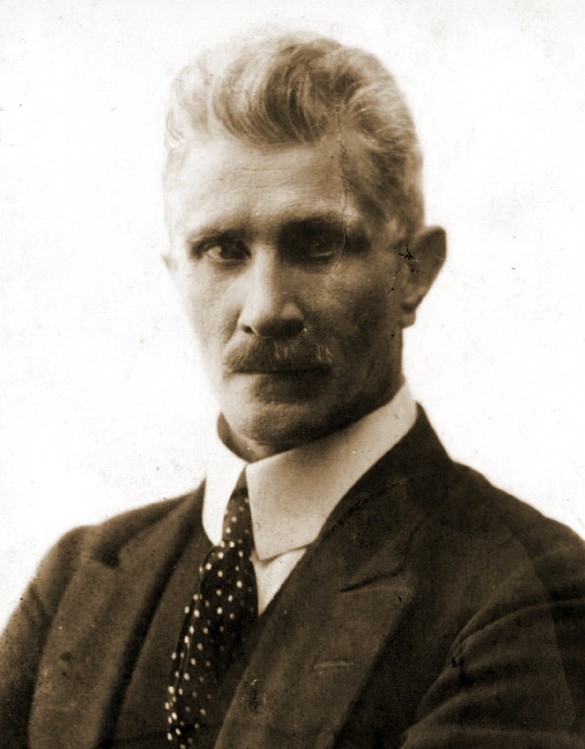
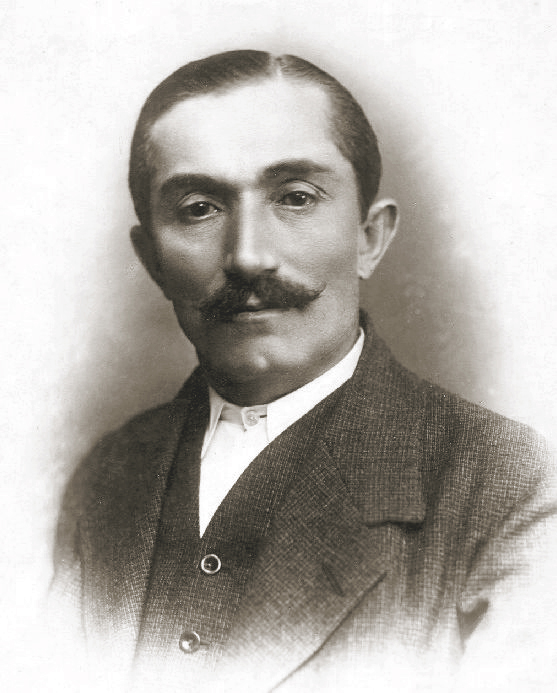
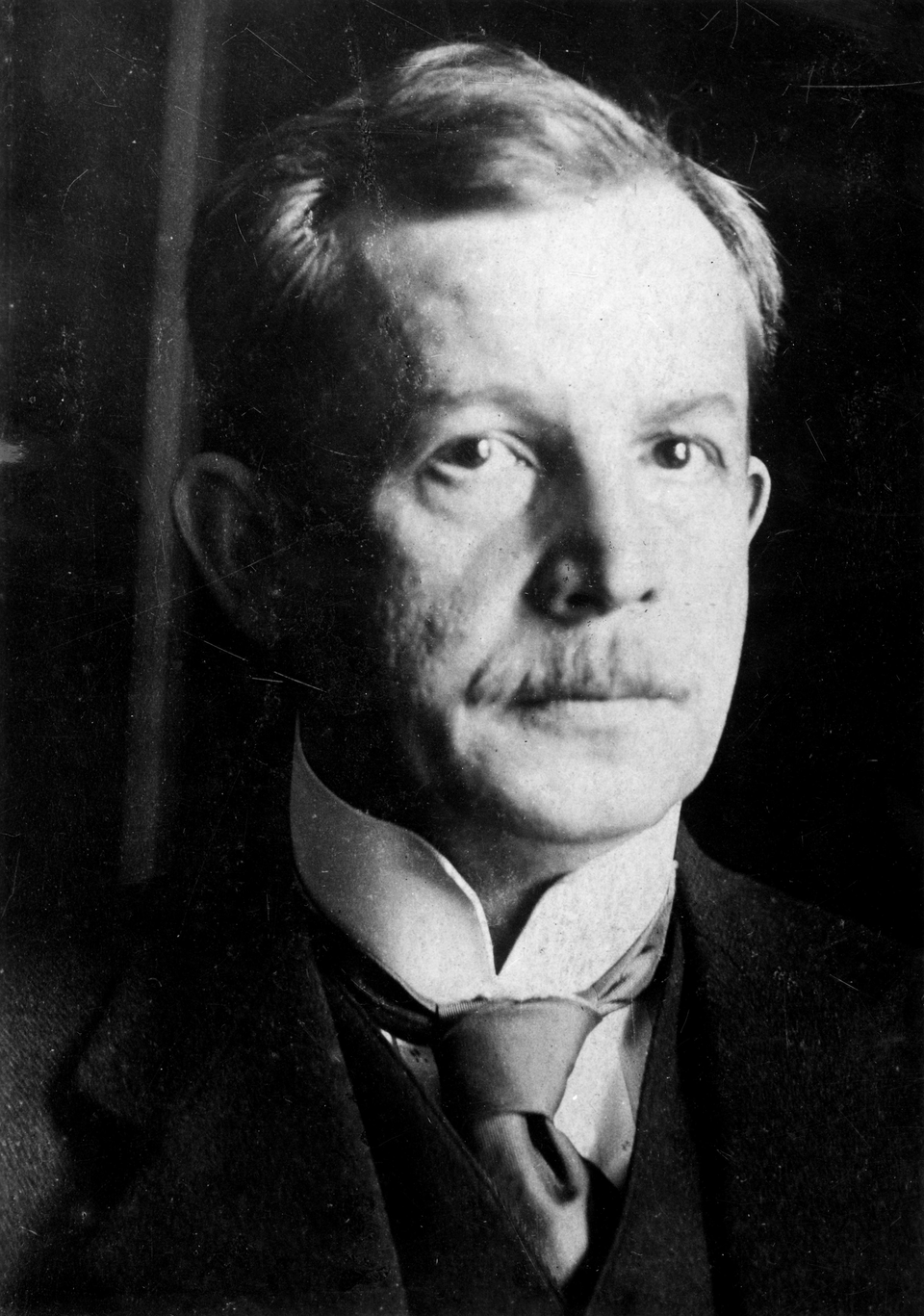
Independence was not the achievement of one person or one political movement. Piłsudski developed military strength, Roman Dmowski pursued the Polish cause through diplomacy, and Ignacy Jan Paderewski drew on his international standing as an artist. Ignacy Daszyński, Wincenty Witos and Wojciech Korfanty also played important roles. Their views and visions of the state differed. Alongside famous names stood soldiers, women activists, teachers, workers, peasants and the Polish diaspora. Remembering this collective effort takes the story beyond ceremonies and monuments.
Paderewski. Poland’s voice across the Atlantic
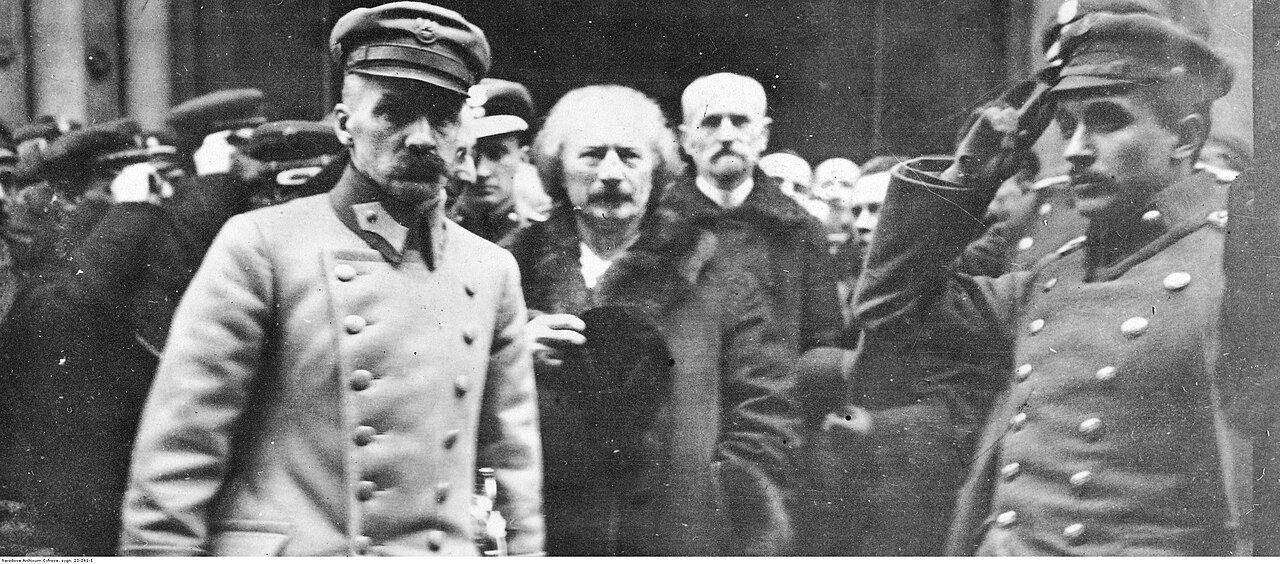
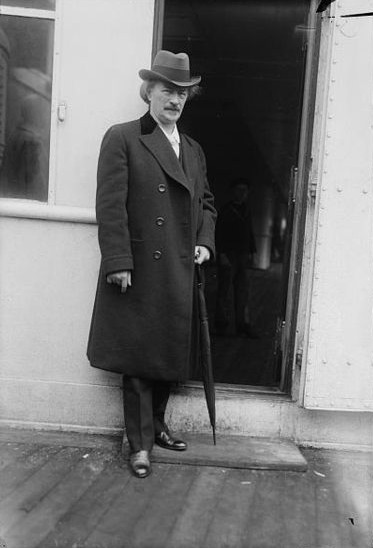
Paderewski was a world-famous pianist before becoming prime minister. His concerts, reputation and connections helped draw international attention to Poland. He sought support in the United States, reaching President Woodrow Wilson. In January 1919, he became head of the Polish government. In June, he and Roman Dmowski signed the Treaty of Versailles on Poland’s behalf. It is a striking episode: artistic fame became a means of political action, bringing a pianist to the international negotiating table.
28 November. Polish women become voters
The decree of 28 November 1918 on elections to Poland’s Constituent Sejm gave women the right to vote and stand for election. This was not an incidental addition to rebuilding the state. It followed years of campaigning by the women’s movement, social work and involvement in the independence cause. Polish women first exercised these rights in the election of 26 January 1919. The birth of the Second Polish Republic was therefore about more than taking over offices and creating an army: it also broadened participation in shaping the state.
Independence still had to be built
November 1918 opened a new chapter without resolving every problem. An administration had to be established, elections organised and territories previously governed under different systems brought together. Borders took shape in the following years through fighting, uprisings, plebiscites and diplomacy. Common laws did not emerge overnight either. Rebuilding involved painstaking work on institutions and the rules of everyday life. The significance of 11 November lies in the regained ability to determine the country’s future, rather than in every task being complete.
1937 and 1989. How the holiday came about
Although the anniversary had been observed earlier, Independence Day was established by law only on 23 April 1937. Before the Second World War, it was therefore celebrated in this statutory form just twice, in 1937 and 1938. Communist authorities abolished the holiday after the war, but remembrance continued outside the official calendar. The Act of 15 February 1989 restored the date as Poland’s National Independence Day. Today’s white-and-red flags recall both the events of 1918 and the long history of keeping their memory alive.
11 November is also an opportunity to discover local and family histories. Historical sources help us remember the different paths towards a shared Polish state. Discover more stories from Polish history.
Sources and documents
- Roman Dmowski. NAC 1-A-493, Roman Dmowski. NAC 1-A-493.
- Ignacy Daszyński. Archiwum Akt Nowych, Ignacy Daszyński. Archiwum Akt Nowych.
- Wincenty Witos. A. Szelągowski, Historja Powszechna. Wiek Dwudziesty, M. Arct, Warszawa 1938, Wincenty Witos. A. Szelągowski, Historja Powszechna. Wiek Dwudziesty, M. Arct, Warszawa 1938.
- Wojciech Korfanty. NAC, 1925, Wojciech Korfanty. NAC, 1925.
- Narodowe Archiwum Cyfrowe: Józef Piłsudski, 22-1-12, NAC: 22-1-12.
- Narodowe Archiwum Cyfrowe: uroczystości otwarcia Sejmu, 22-241-1, NAC: 22-241-1.
- Muzeum Historii Polski: Odzyskanie niepodległości, Muzeum Historii Polski.
- Archiwum Narodowe w Krakowie: W drodze do Niepodległej, Archiwum Narodowe w Krakowie.
- Sejm RP: 11 listopada. Narodowe Święto Niepodległości, Sejm RP.
- IPN: Narodowe Święto Niepodległości, Instytut Pamięci Narodowej.
- Biblioteka Narodowa: Paderewski, pianista, premier, patriota, Biblioteka Narodowa.
- Instytut Pileckiego: Podwójnie Wolne. Prawa polityczne kobiet 1918, Instytut Pileckiego.
- Muzeum Historii Polski: Święto Niepodległości w okresie międzywojennym, Muzeum Historii Polski.
- Ustawa z 15 lutego 1989 r., Dz.U. 1989 nr 6 poz. 34, ELI: 1989/34.
- Bain News Service / Library of Congress: ggbain.35944, Paderewski: Wikimedia Commons / Library of Congress.
- Komenda Naczelna P.O.W.: Obwieszczenie, 10 XI 1918, Obwieszczenie: Wikimedia Commons.
- Illustrations: Józef Piłsudski, 1918–1925. National Digital Archives, Poland; Roman Dmowski. NAC, 1-A-493, date unknown; Polish Military Organisation announcement, 10 November 1918; Ceremonies before the opening of the Sejm, 9 February 1919. National Digital Archives, Poland; Ignacy Jan Paderewski. Bain News Service, date unknown. Library of Congress; Ignacy Daszyński, from an ID card dated 1915. Archiwum Akt Nowych; Wincenty Witos, 1920; published by M. Arct, 1938; Wojciech Korfanty, 1925. Narodowe Archiwum Cyfrowe.
This article is historical and informational and does not constitute legal advice.