
- The Law on Bills of Exchange of 28 April 1936, effective from 1 July 1936, remains in force today.
- Based on the 1930 Geneva conventions, which harmonised the law on bills of exchange in Europe.
- A bill of exchange or promissory note opens the way to order-for-payment proceedings: the court may issue a payment order without a hearing.
The Law on Bills of Exchange of 28 April 1936 was published on 11 May and entered into force on 1 July 1936. It was based on the 1930 Geneva conventions, which harmonised the law on bills of exchange in most European countries. As a result, a bill issued in Gdańsk or Lwów was interpreted in the same way in Vienna and Paris, and merchants could extend credit to each other without a bank: a supplier accepted a bill instead of cash and passed it on by endorsement, meaning a signature on the reverse.
The strength of a bill or note lies in its formal requirements: the document must contain the elements prescribed by law. However, restrictions on the debtor’s defences depend, among other things, on who seeks payment. Article 17 of the Law on Bills of Exchange concerns defences arising from relations with the drawer or earlier holders and provides an exception where the acquirer knowingly acted to the debtor’s detriment. The 1936 Act, as amended, remains in force.
Bills and notes have not disappeared from commerce. Blank promissory notes still secure credit, lease finance and rental agreements. If the statutory requirements are met, a bill or note may provide grounds for issuing a payment order without a hearing. This does not mean an automatic order or a guaranteed reduction in the overall duration of proceedings; cases involving consumers also require additional scrutiny and documents.
A bill or note may provide grounds for a payment order if the statutory requirements are met. Which documents to prepare and how to submit a case: Debt recovery at e‑PGW.
Sources and documents
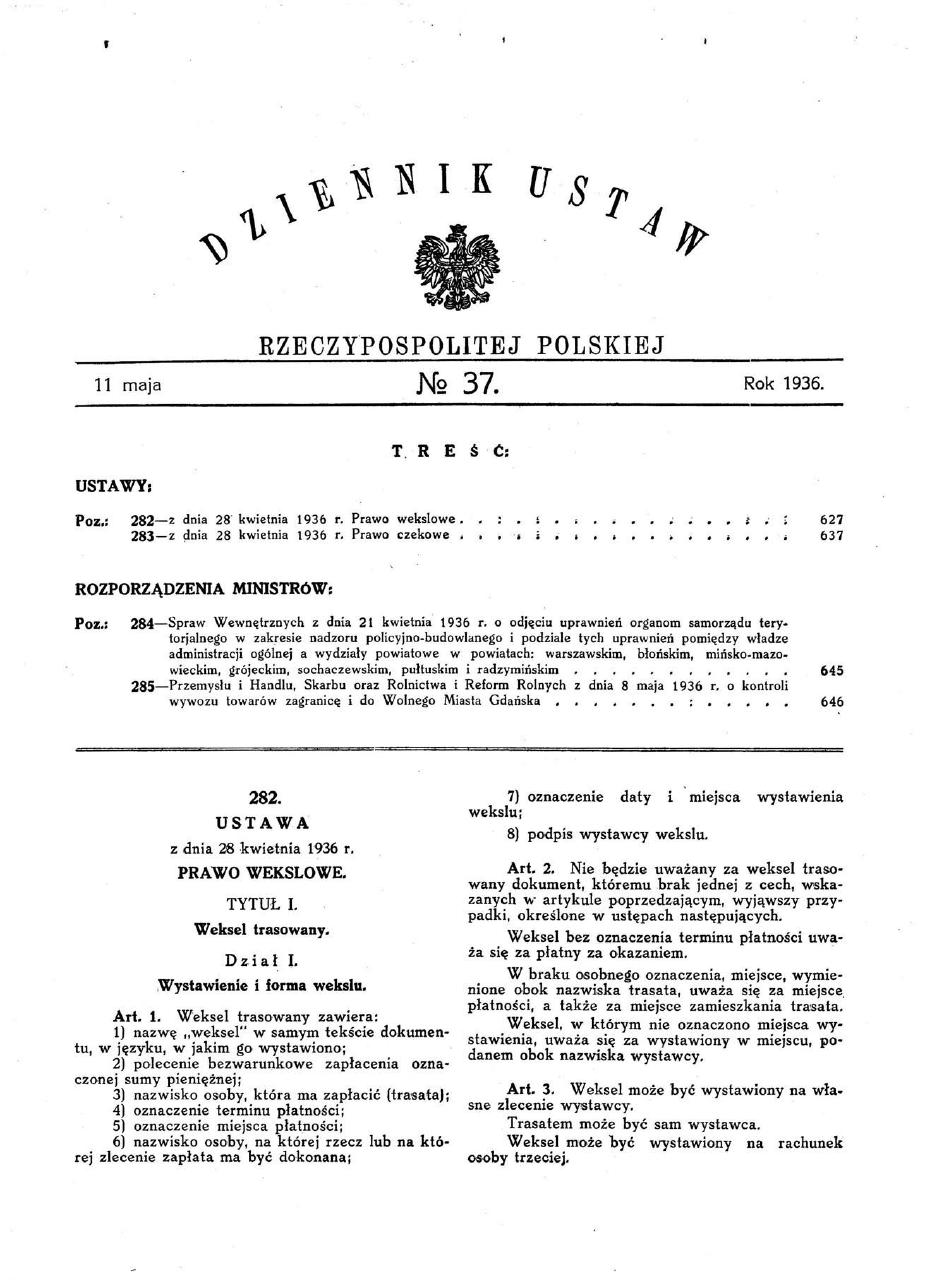
- Act of 28 April 1936, Law on Bills of Exchange, Journal of Laws 1936 No. 37, item 282 (status: ‘in force’, consolidated text), eli.gov.pl/eli/DU/1936/282.
- Convention Providing a Uniform Law for Bills of Exchange and Promissory Notes, Geneva, 7 June 1930.
- Act of 17 November 1964, Code of Civil Procedure, Article 485 (payment order based on a bill or note), eli.gov.pl/eli/DU/1964/296.
- Illustration: Bills of Exchange Law, 1936. Journal of Laws No. 37, item 282. Authorship: the authority issuing the act, as stated in the publication. The complete first page of the published text, rendered from the official PDF without removing content. Rights: official material; do not claim a CC licence., Illustration provenance.
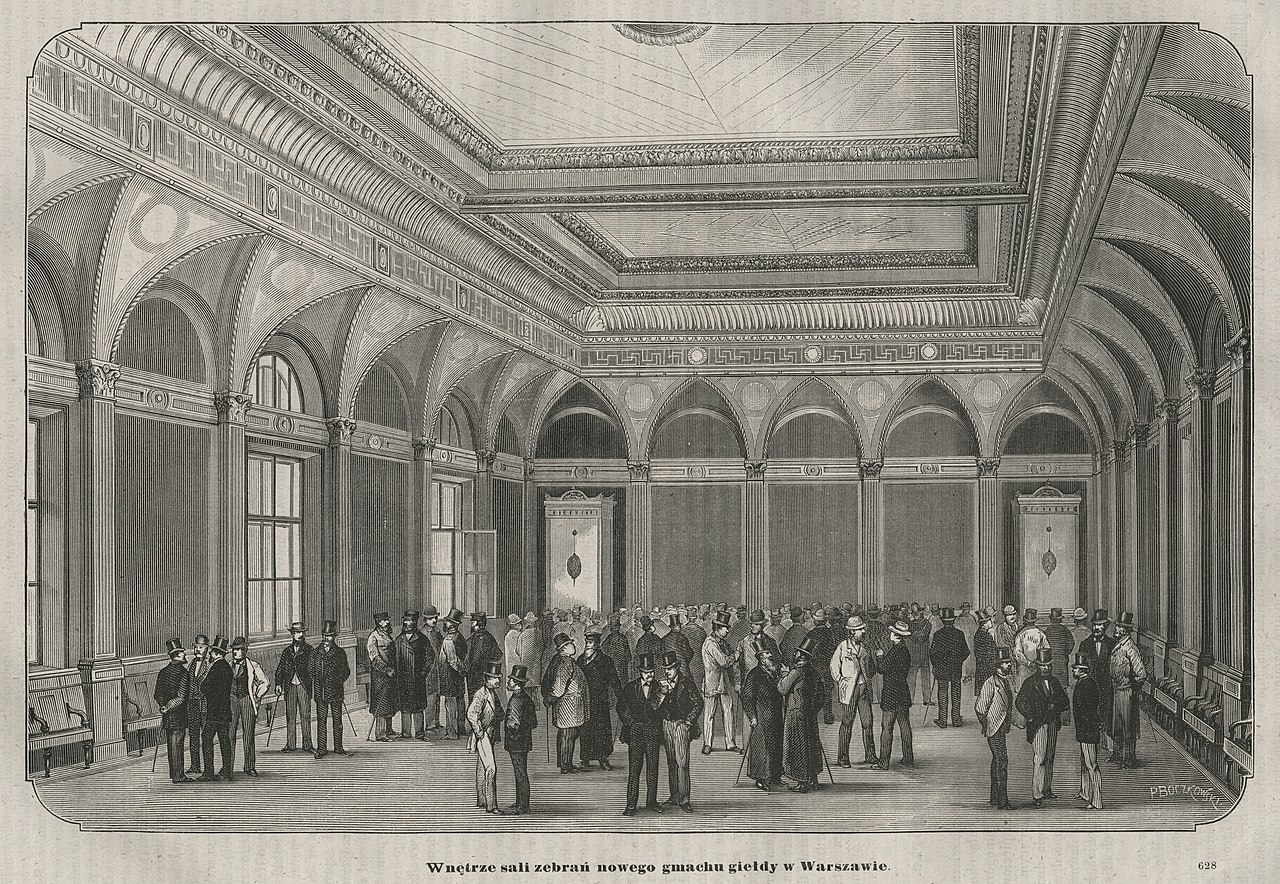
- Supplementary illustration: P. Boczkowski, stock exchange hall, 1877. Tygodnik Illustrowany, Mazovian Digital Library. Context for the place, person or period, not a photograph of the event on the date in the title. Authorship and date: P. Boczkowski, engraver; 1877. Provenance and restrictions: Public domain, PD-old/PDM according to the Commons/MBC record (terms), Illustration provenance.
- Illustration rights (P. Boczkowski, exchange hall, 1877. Tygodnik Illustrowany, Mazovian Digital Library.): Public domain, PD-old/PDM according to the Commons/MBC record., Rights information.
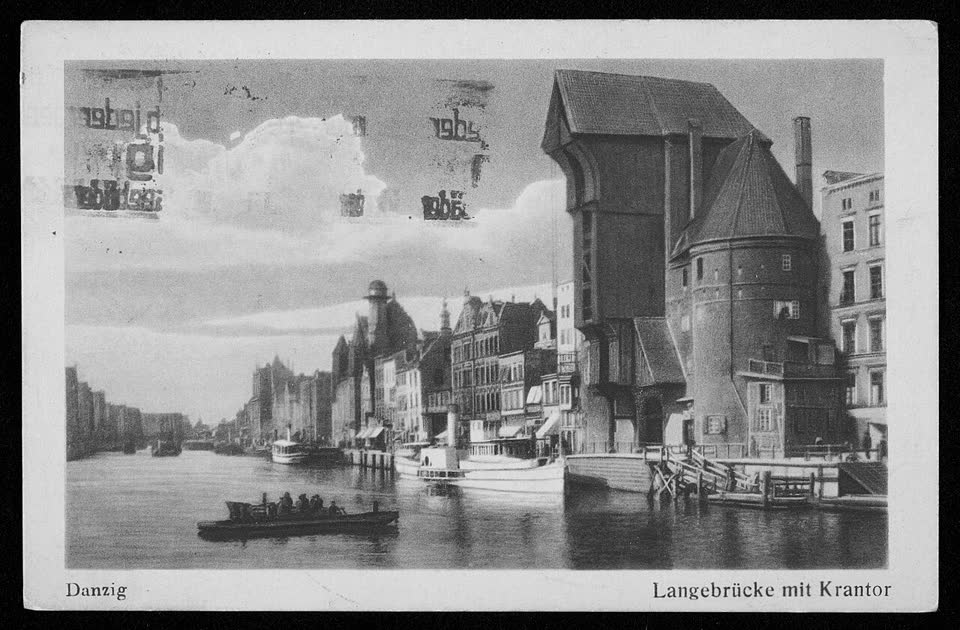
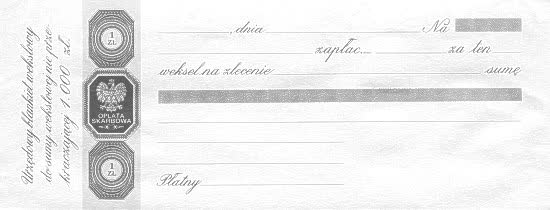
- Ilustracje: Gdańsk, Długie Pobrzeże and the Crane, 1930. Photograph: Gottheil & Sohn. National Library of Poland; Official bill of exchange form; Bills of Exchange Law, 1936. Journal of Laws No. 37, item 282; P. Boczkowski, exchange hall, 1877. Tygodnik Illustrowany, Mazovian Digital Library.
This article is historical and informational and does not constitute legal advice.