
- The Act of 11 January 1924 on the Rehabilitation of the State Treasury and Currency Reform gave the government special powers for six months.
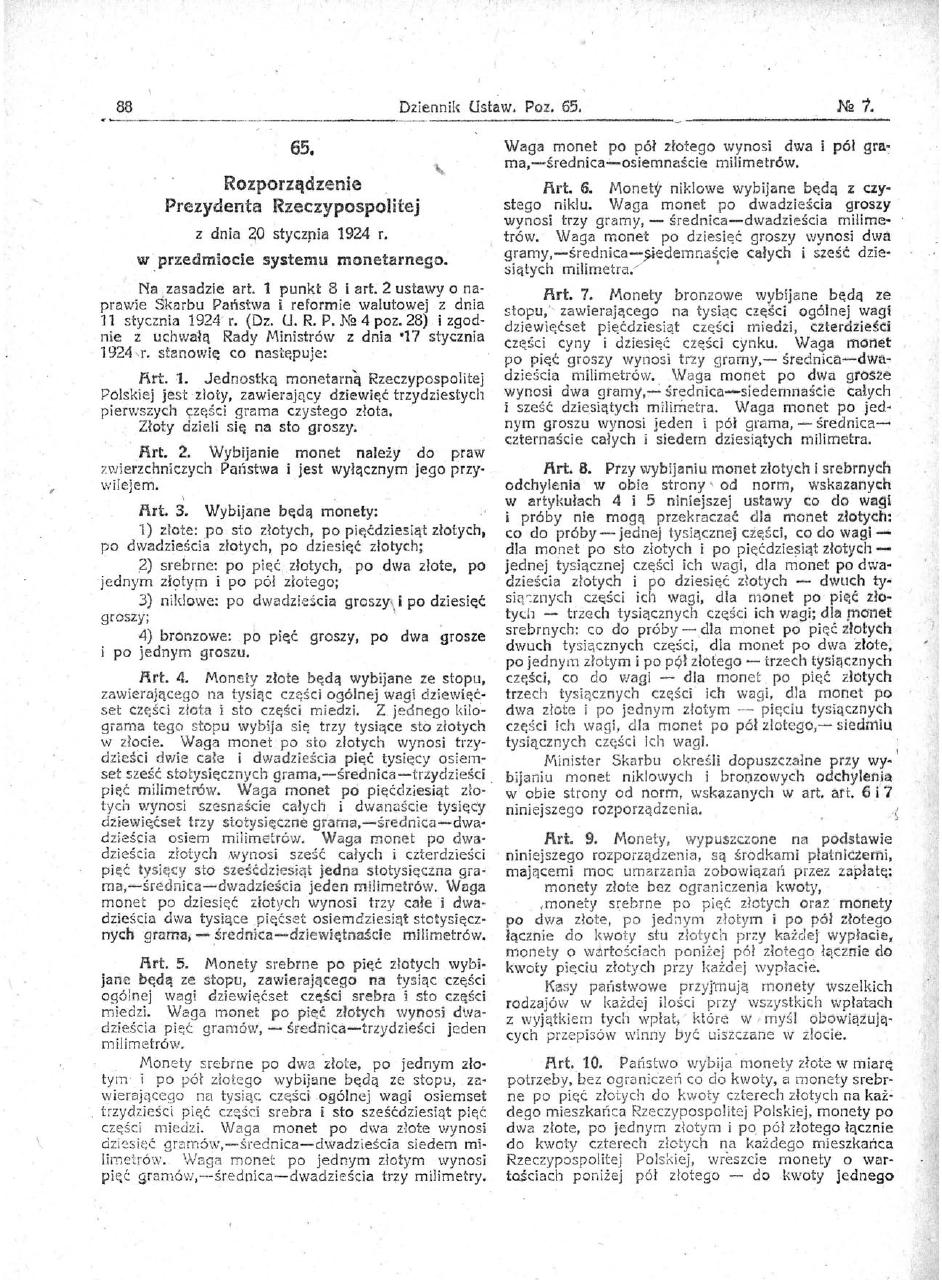
- The Presidential Regulation of 20 January 1924 established the złoty as the monetary unit; printing marks to cover the deficit ceased on 1 February 1924.
- Bank Polski SA began operating on 28 April 1924; the exchange rate was 1,800,000 marks to 1 złoty; the złoty corresponded to 9/31 of a gram of pure gold.
The basis was the Act of 11 January 1924 on the Rehabilitation of the State Treasury and Currency Reform, which entered into force on 15 January. The Sejm gave the government special powers for six months: to change taxes, introduce a new currency system, grant a charter to the issuing bank and borrow up to 500 million gold francs. The Presidential Regulation of 20 January 1924 on the Monetary System stated that the Republic’s monetary unit was the złoty, equal to the Swiss franc and corresponding to 9/31 of a gram of pure gold.
Printing marks to cover the treasury deficit ceased on 1 February 1924. The Regulation of 14 April 1924 on Changing the Monetary System set the exchange rate at 1,800,000 Polish marks to one złoty. On 28 April 1924, Bank Polski SA began operating in Warsaw with the exclusive right to issue banknotes, and from 1 July 1924 the mark ceased to be legal tender. The reform was funded mainly from the state’s own resources, including sales of Bank Polski shares.
Stability did not last forever. The economic situation began deteriorating from July 1924, with a poor harvest and the 1925 tariff war with Germany contributing. In July 1925, the złoty’s exchange rate faltered; on 12 November Bank Polski refused to release further foreign currency to support it, and Grabski resigned the next day. The złoty finally stabilised in 1927, but the name given to it in 1924 remains today.
Repairing finances starts with an honest assessment. We help businesses seeking to avoid bankruptcy prepare an arrangement with creditors: Restructuring at e‑PGW.
Sources and documents
- M. Jarosiński, ‘Currency reform and the establishment of Bank Polski SA’, dzieje.pl (PAP), 25 June 2010, dzieje.pl.
- Act of 11 January 1924 on the Rehabilitation of the State Treasury and Currency Reform, Journal of Laws 1924 No. 4, item 28, eli.gov.pl/eli/DU/1924/28.
- Regulation of the President of the Republic of 20 January 1924 on the Monetary System, Journal of Laws 1924 No. 7, item 65, eli.gov.pl/eli/DU/1924/65.
- Regulation of the President of the Republic of 14 April 1924 on Changing the Monetary System, Journal of Laws 1924 No. 34, item 351, eli.gov.pl/eli/DU/1924/351.
- Illustration: Regulation on the monetary system, 1924. Journal of Laws No. 7, item 65. Authorship: the authority issuing the act, as stated in the publication. The complete first page of the published text, rendered from the official PDF without removing content. Rights: official material; do not claim a CC licence., Illustration provenance.
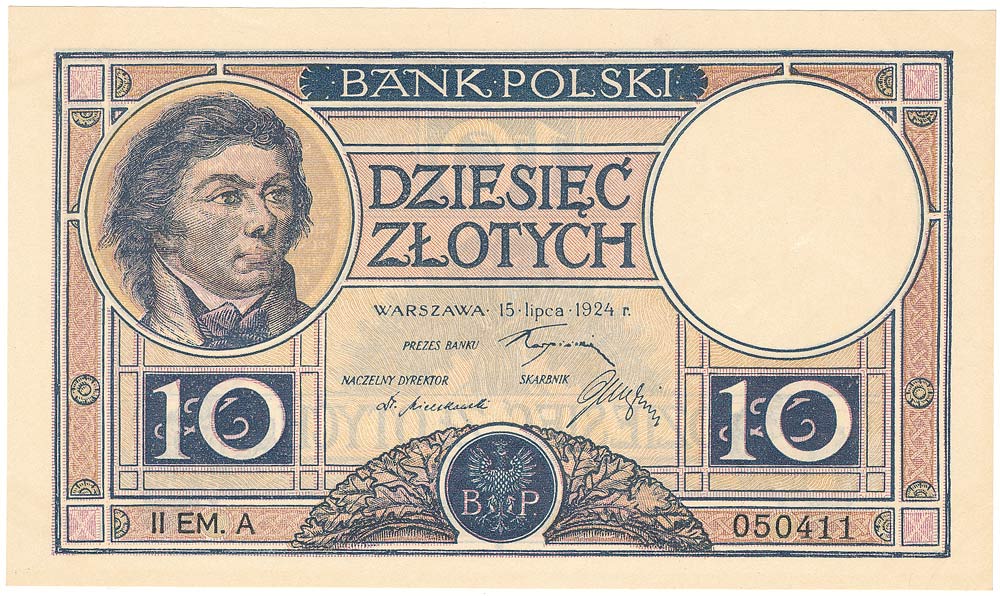
- Illustration: 10-złoty banknote, 1924. Photo: Gabinet Numizmatyczny Damian Marciniak, 2018. Authorship: Gabinet Numizmatyczny Damian Marciniak. A proportionally scaled Commons thumbnail was downloaded, or the original where no thumbnail was available; no additional retouching or cropping. The card display uses a CSS greyscale filter. Rights: CC BY-SA 4.0., Illustration provenance.
- Terms of use: CC BY-SA 4.0., CC BY-SA 4.0.
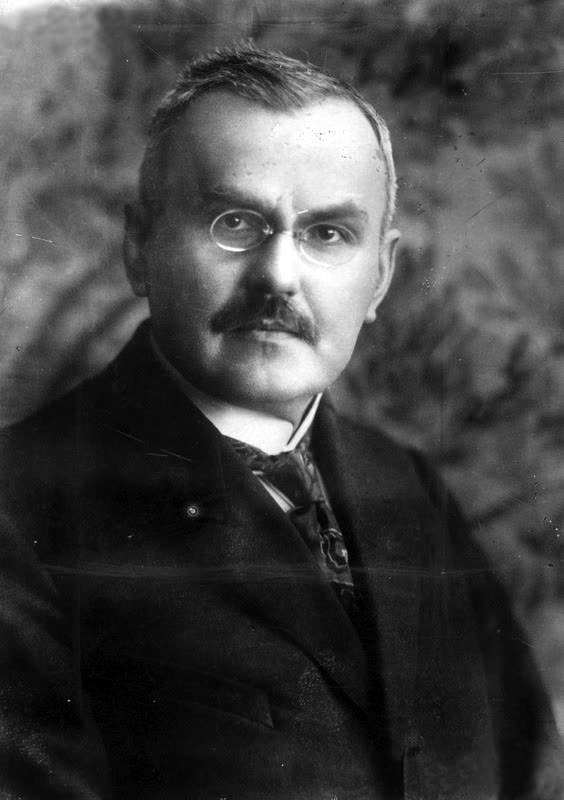
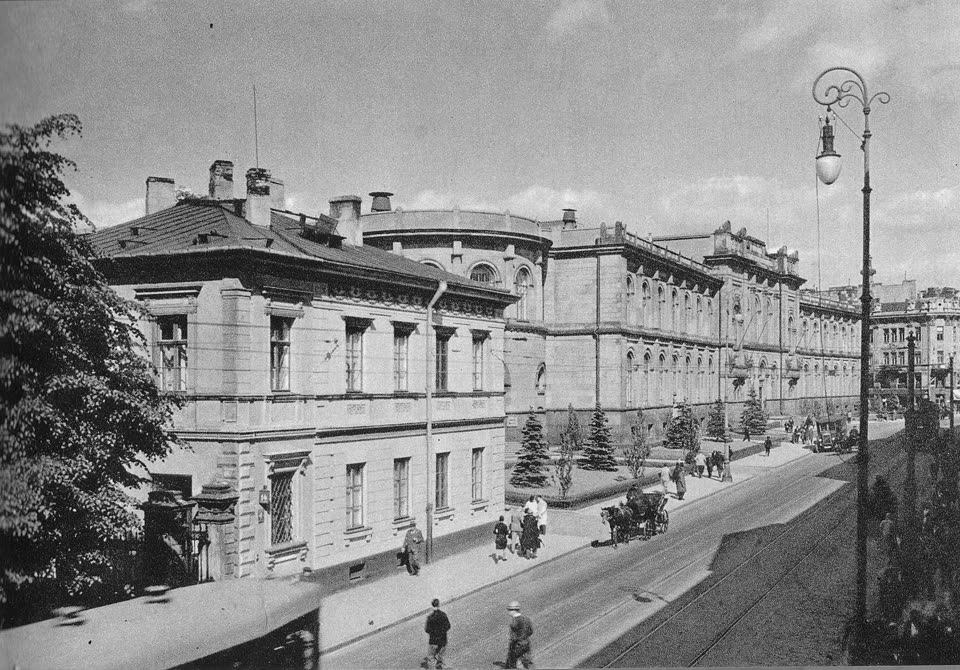
- Ilustracje: Władysław Grabski, 1925. Photographer unknown; Warsaw, Bielańska Street with the Bank Polski building, before 1939. Photograph: Henryk Poddębski; Regulation on the monetary system, 1924. Journal of Laws No. 7, item 65; 10-złoty banknote, 1924. Photo: Gabinet Numizmatyczny Damian Marciniak, 2018.
This article is historical and informational and does not constitute legal advice.