
- The resolution of the Warsaw Sejm of 3 March 1578 established the highest appellate court for the noble estate of the Crown.
- Sessions: Piotrków for Greater Poland and Mazovia, Lublin for Lesser Poland and the remaining provinces.
- The nobility elected deputies at electoral regional assemblies each September, while chapters elected the clerical deputies; a marshal chaired the proceedings and a president led the clerical deputies. The Tribunal operated until 1794.
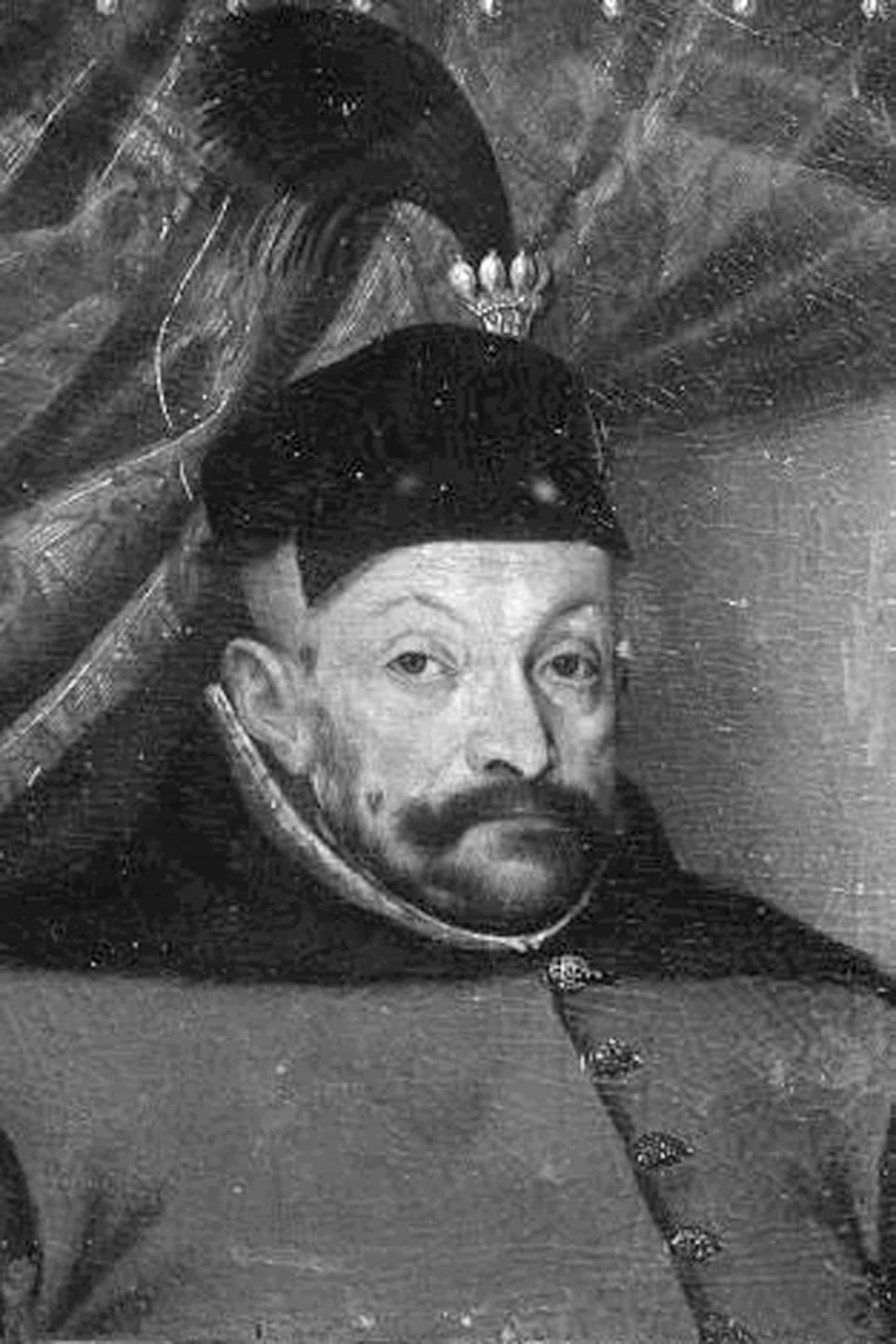
The Tribunal was created because the monarchy could not manage its own judiciary. Appeals from territorial and castle courts went to the king, who, occupied with war and politics, could not keep up. Stephen Báthory agreed to transfer part of his judicial power to the noble estate. On 3 March 1578, the Sejm in Warsaw adopted a resolution establishing the Chief Crown Tribunal, the nobility’s highest appellate court.
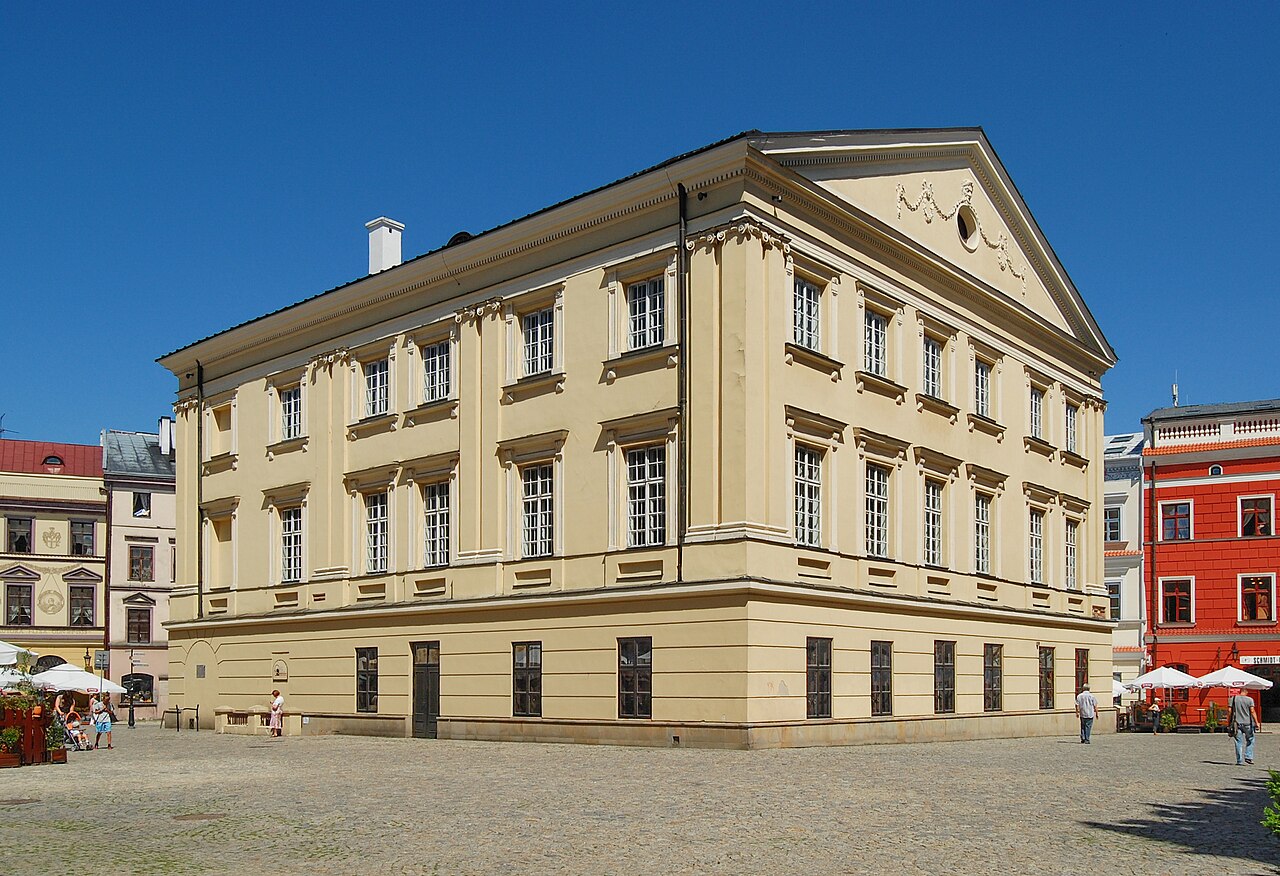
The court travelled to its cases. It began its term in Piotrków, hearing cases from Greater Poland and Mazovia, then moved to Lublin, to the old town hall on the Market Square, to hear cases from Lesser Poland and the other provinces. Its judges were deputies: lay members elected by the nobility at electoral regional assemblies every September, and clerical members by chapters. The term lasted one year, and a lay deputy could be re-elected only after four years. A marshal elected from among the deputies chaired the proceedings, while a president led the clerical deputies.
The Crown Tribunal operated until 1794, for more than two centuries, and became a model for the Lithuanian Tribunal. Its judgments on debts, boundaries and inheritances established the practice underlying the law of the nobles’ Commonwealth. The old town hall’s chamber is still shown to visitors in Lublin, while the city’s legend of a devil’s trial, set in 1637, recalls how deeply the Tribunal’s affairs shaped city life.
PozwijGo is available for selected debt recovery and compensation cases. Once a case is accepted, we fund court fees, expert fees and enforcement officer costs, and settle our fee from the amount recovered. Contractual terms are agreed individually. Learn how it works:* PozwijGo at e‑PGW.
Sources and documents
- ‘Grodzka Gate – NN Theatre’ Centre, Lublin Lexicon, ‘Chief Crown Tribunal 1578–1649’, teatrnn.pl.
- ‘Grodzka Gate – NN Theatre’ Centre, ‘Structure of the Crown Tribunal’, teatrnn.pl.
- Czasopismo Prawno-Historyczne (Pressto UAM), article on the establishment of the Crown Tribunal in 1578, pressto.amu.edu.pl.
- Illustration: Former Crown Tribunal in Lublin, 2009. Photo: Marcin Białek. Authorship: Marcin Białek. A proportionally scaled Commons thumbnail was downloaded, or the original where no thumbnail was available; no additional retouching or cropping. The card display uses a CSS greyscale filter. Rights: CC BY-SA 4.0., Illustration provenance.
- Terms of use: CC BY-SA 4.0., CC BY-SA 4.0.
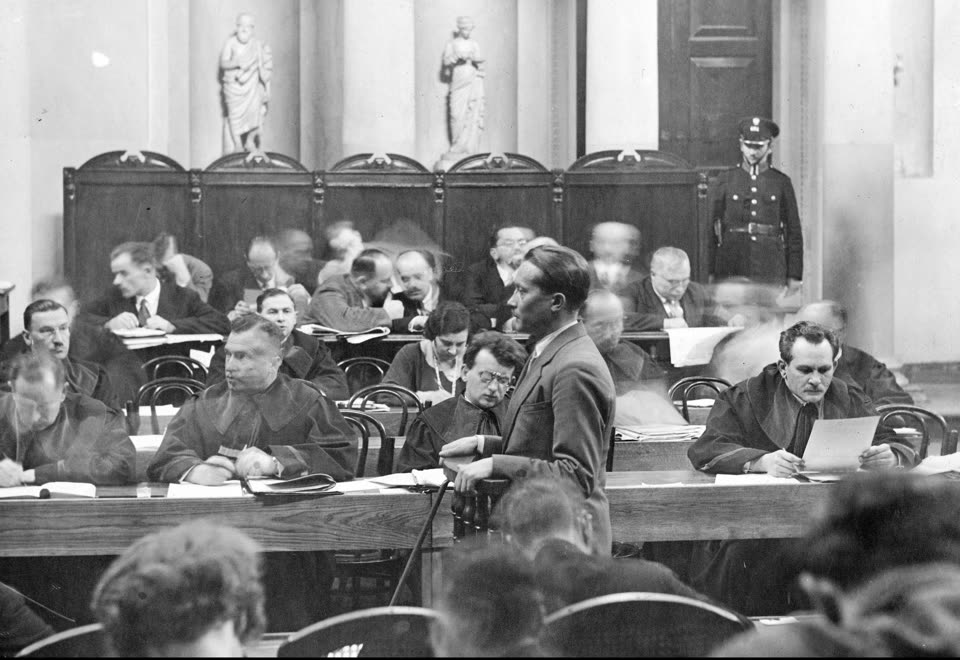
- Supplementary illustration: Tomasz Silarski giving evidence at the Brest trial, 1931–1932. National Digital Archives. Context for the place, person or period, not a photograph of the event on the date in the title. Provenance and restrictions: Tomasz Silarski, 1931–1932, reference 3/1/0/3/600/39; public-domain declaration., Illustration provenance.
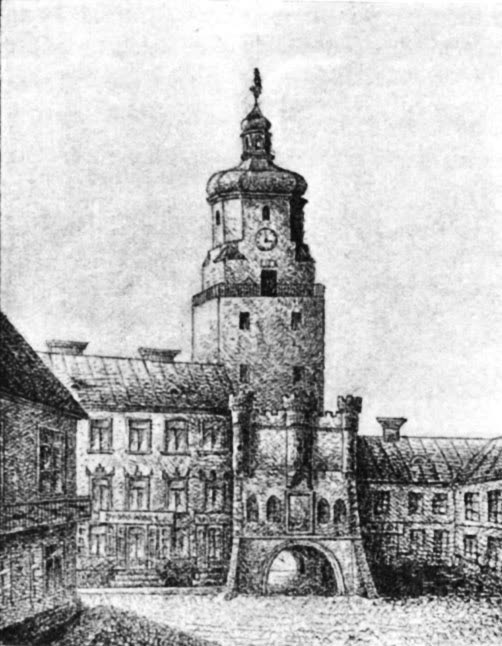
- Ilustracje: Stephen Báthory, portrait by Marcin Kober, 1583; Lublin, Kraków Gate, engraving from 1900; Former Crown Tribunal in Lublin, 2009. Photo: Marcin Białek; Tomasz Silarski giving evidence at the Brest trial, 1931–1932. National Digital Archives.
This article is historical and informational and does not constitute legal advice.