
- The Greater Poland statute was issued in Piotrków (work in 1356–1362), and the Lesser Poland statute in Wiślica in 1362.
- The Greater Poland statute had 34 articles, eventually almost 50; the Lesser Poland statute had 25, with 35 more later added.
- More than two thirds of the text concerned criminal law; private law remained customary. The original statutes have not survived.
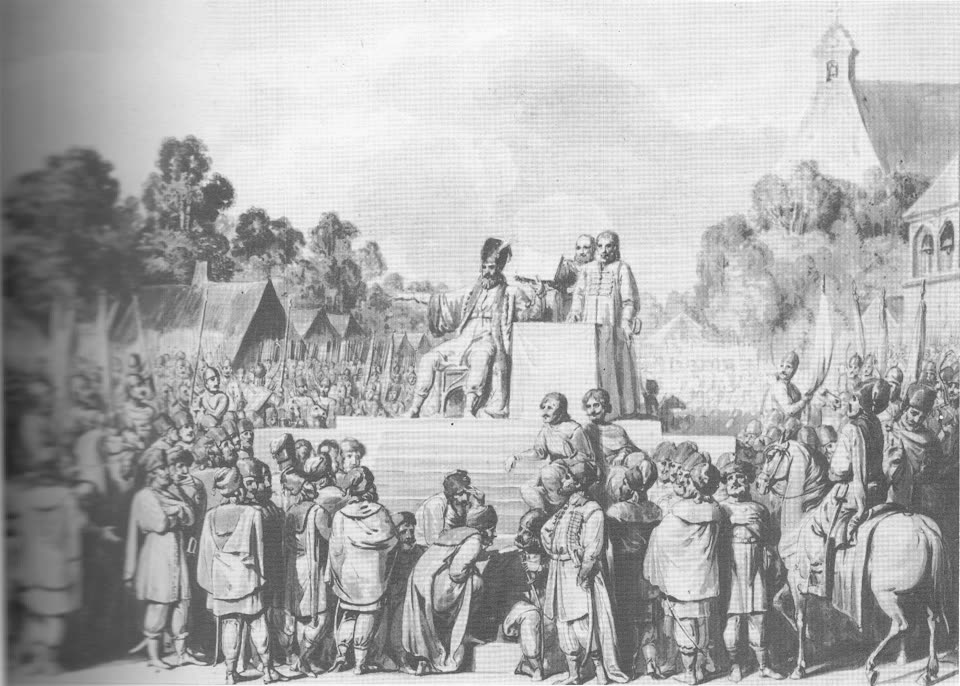
The statutes aimed to unify the state reunited after territorial fragmentation: to remove outdated provisions and harmonise the law used to judge knights. The Greater Poland statute, based on local customary law, was issued in Piotrków after work lasting from 1356 to 1362; the Lesser Poland statute was proclaimed in Wiślica in 1362. Together they are known as the Wiślica-Piotrków Statutes.
This was not a complete codification. Criminal law formed its basis, taking up more than two thirds of the text; civil law, institutions and courts received less attention. Private law, including debts and contracts, remained governed by custom. The statutes applied to knights and magnates; inhabitants of towns and villages chartered under German law lived by their own rules.
The original texts have not survived; we know them through later copies, to which further articles, known as extravagantes, were added. Even so, the statutes established a direction for centuries: law should be written down and known in advance, rather than reconstructed from judges’ memories in every case. For creditors and debtors, this is the difference between predictability and a lottery.
Written rules instead of guesswork: our Guide explains in plain language how debt recovery, compensation and bankruptcy work: e‑PGW Guide.
Sources and documents
- Integrated Educational Platform, ‘Legal codes: the Statutes of Casimir the Great’, zpe.gov.pl.
- F. Piekosiński, ‘Observations on King Casimir the Great’s Wiślica-Piotrków legislation’, Kraków 1891 (scan), pbio.akademia.mil.pl.
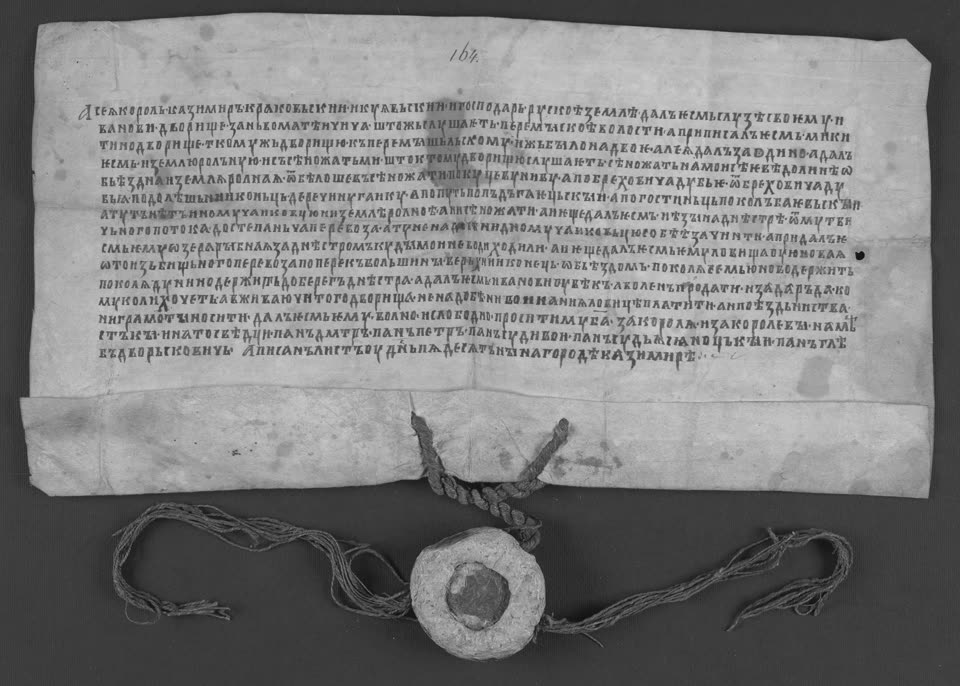
- Supplementary illustration: Royal document on parchment. National Museum in Kraków, reference 164 Perg. Context for the place, person or period, not a photograph of the event on the date in the title. Provenance and restrictions: CC0 / Sibinia; MNK 164 Perg. EXIF differs from the description regarding Casimir III/IV; the title and year alone do not establish the document's provenance., Illustration provenance.
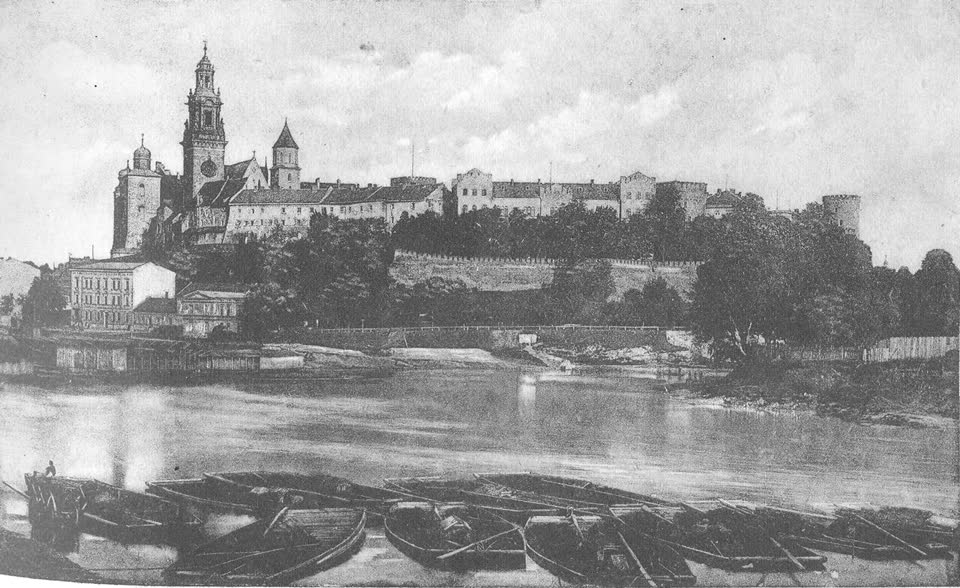
- Supplementary illustration: Kraków, Wawel viewed from the Vistula, the nineteen-thirties. Bulgarian State Archives. Context for the place, person or period, not a photograph of the event on the date in the title. Provenance and restrictions: 1930, creator unknown, Bulgarian State Archives, fonds 1771K/inventory 1/unit 1163/folio 27; PD-anon-70-EU., Illustration provenance.
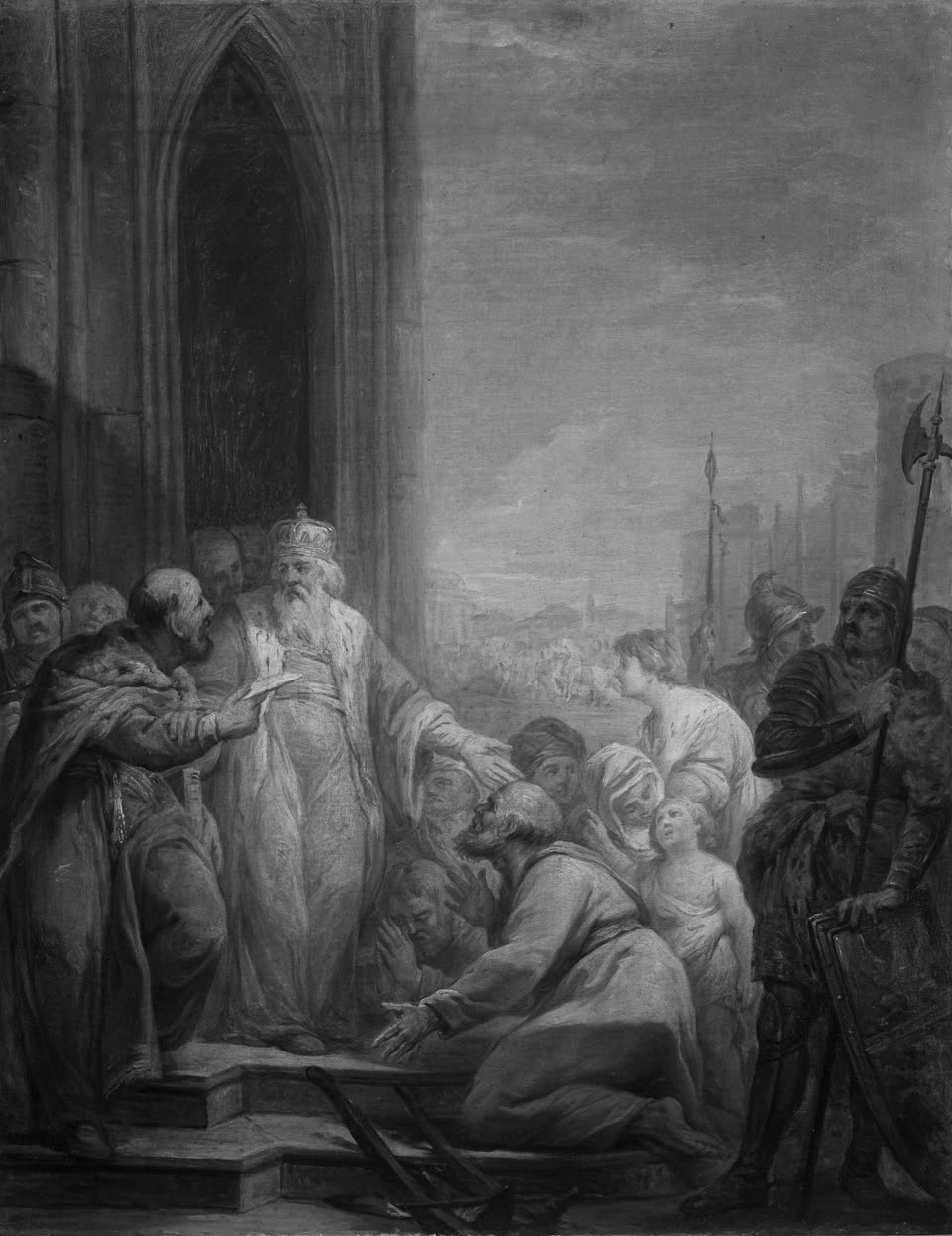
- Ilustracje: Franciszek Smuglewicz, ‘Sejm in Wiślica’, before 1807; Casimir the Great, portrait by Marcello Bacciarelli, around 1770. National Museum in Kraków; Royal document on parchment. National Museum in Kraków, reference 164 Perg; Kraków, Wawel seen from the Vistula, 1930s. Bulgarian State Archives.
This article is historical and informational and does not constitute legal advice.