
- Komornik: originally a ruler’s courtier responsible for his chamber and movable property.
- From the 14th century, komornicy assisted the territorial chamberlain, who adjudicated disputes over boundaries between noble estates.
- The court enforcement officer in its present form: the 1928 Law on the Organisation of Common Courts, the Act of 29 August 1997 (effective 30 November 1997), and the Act of 22 March 2018.
The PWN Encyclopaedia states that the komornik was originally a ruler’s courtier responsible for his chamber, or komora, and for managing movable property. In the 14th century, the lifetime office of territorial chamberlain emerged to hear disputes over boundaries between noble estates, and from the late 14th century he presided over a court whose members included komornicy assigned to assist him. Territorial and boundary komornicy did not hold the highest-ranking offices: they were deputies and assistants to the judge, deputy judge and chamberlain. The same word also described landless peasants lodging in other people’s cottages.
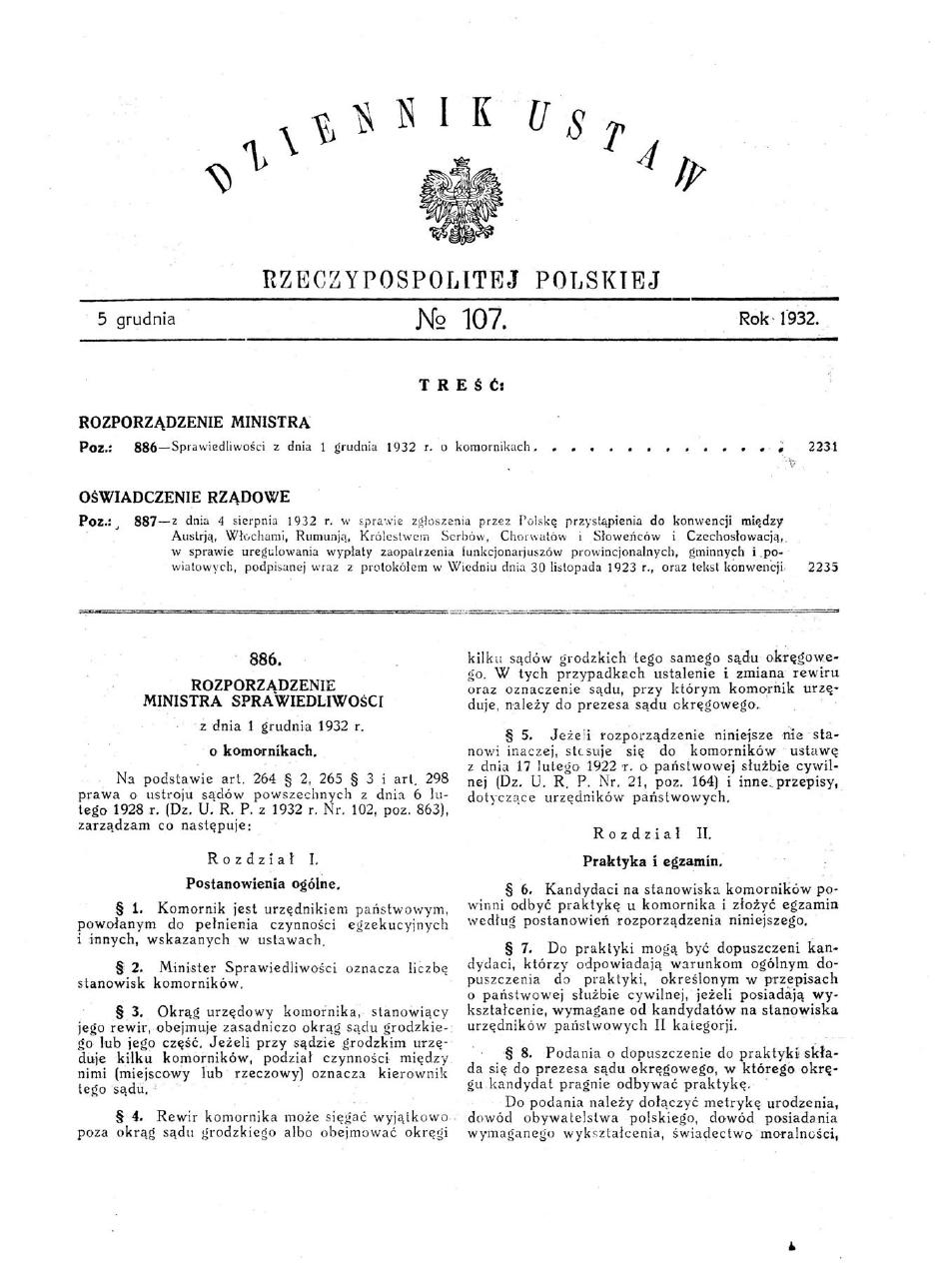
The komornik in today’s sense, an official enforcing judgments, appeared in independent Poland with the unification of the courts. The Presidential Regulation of 6 February 1928, Law on the Organisation of Common Courts, entered into force on 1 January 1929, accompanied by Justice Minister regulations on enforcement officers at local courts (24 December 1928) and on enforcement officers (1 December 1932). After the war, enforcement officers were state employees appointed by provincial court presidents and worked at district courts.
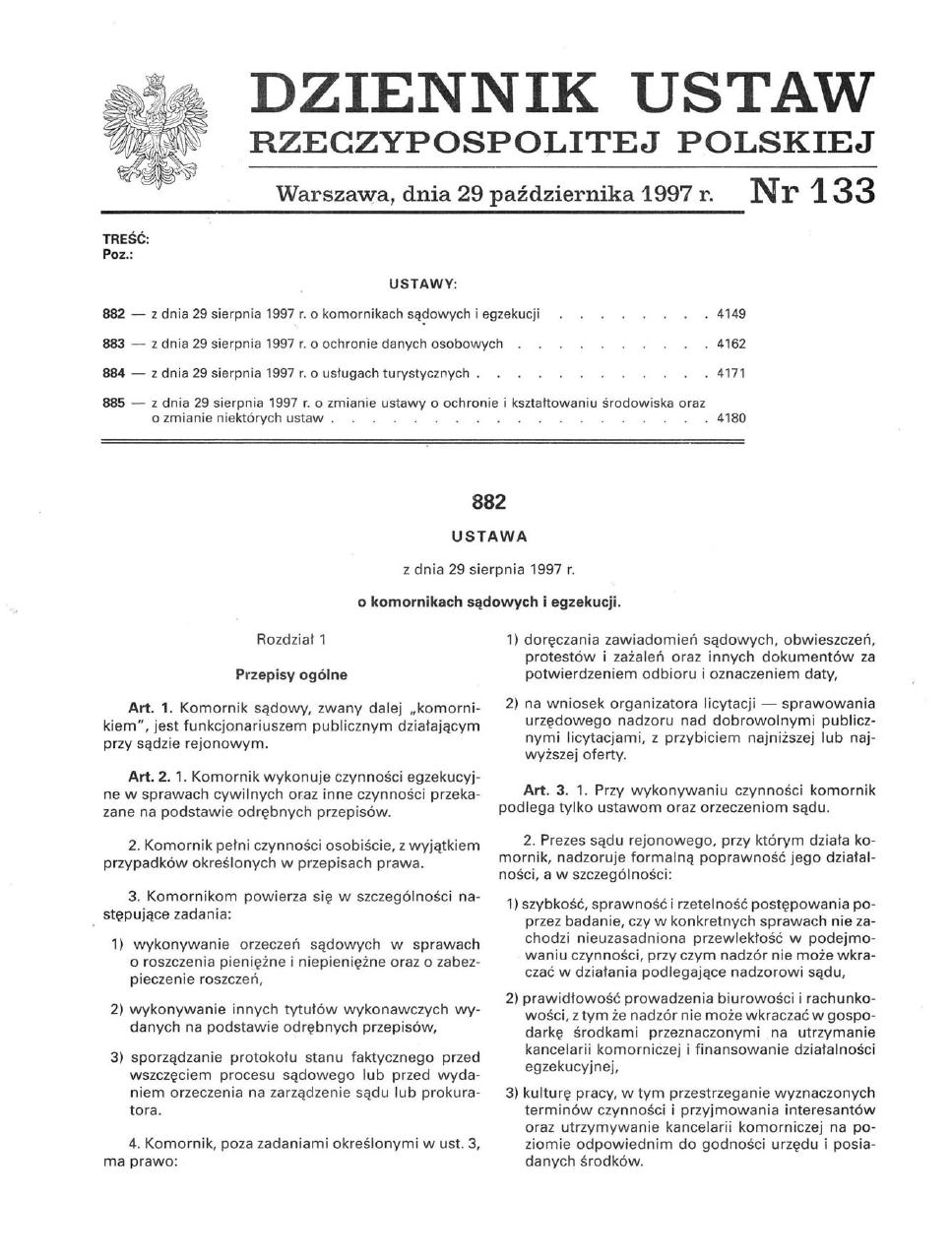
The turning point was the Act of 29 August 1997 on Court Enforcement Officers and Enforcement, effective from 30 November 1997: the enforcement officer ceased to be a mid-level official and became a public officer running their own office, with professional self-government. General meetings of enforcement officers’ chambers took place in January 1998, and on 12 February 1998 the first National Congress of Enforcement Officers elected the president of the National Council of Enforcement Officers. Since 1 January 2019 the profession has been governed by the Act of 22 March 2018 on Court Enforcement Officers.
The enforcement officer is part of the enforcement stage, not the first step in pursuing a debt. A debtor with access to a case can view its status, propose repayment terms and agree them with the creditor: e‑PGW for debtors.
Sources and documents
- PWN Encyclopaedia, entry ‘komornik’, encyklopedia.pwn.pl.
- PWN Encyclopaedia, entry ‘podkomorzy’, encyklopedia.pwn.pl.
- Regulation of the President of the Republic of 6 February 1928, Law on the Organisation of Common Courts, Journal of Laws 1928 No. 12, item 93, eli.gov.pl/eli/DU/1928/93.
- Regulation of the Minister of Justice of 1 December 1932 on enforcement officers, Journal of Laws 1932, No. 107, item 886, eli.gov.pl/eli/DU/1932/886.
- Act of 29 August 1997 on Court Enforcement Officers and Enforcement, Journal of Laws 1997 No. 133, item 882, eli.gov.pl/eli/DU/1997/882.
- Act of 22 March 2018 on Court Enforcement Officers, Journal of Laws 2018, item 771, eli.gov.pl/eli/DU/2018/771.
- National Council of Enforcement Officers, ‘20 years of professional self-government for court enforcement officers’, 30 November 2017, komornik.pl.
- Illustration: Regulation on enforcement officers, 1932. Journal of Laws No. 107, item 886. Authorship: the authority issuing the act, as stated in the publication. The complete first page of the published text, rendered from the official PDF without removing content. Rights: official material; do not claim a CC licence., Illustration provenance.
- Illustration: Act on Court Enforcement Officers and Enforcement, 1997. Journal of Laws No. 133, item 882. Authorship: the authority issuing the act, as stated in the publication. The complete first page of the published text, rendered from the official PDF without removing content. Rights: official material; do not claim a CC licence., Illustration provenance.
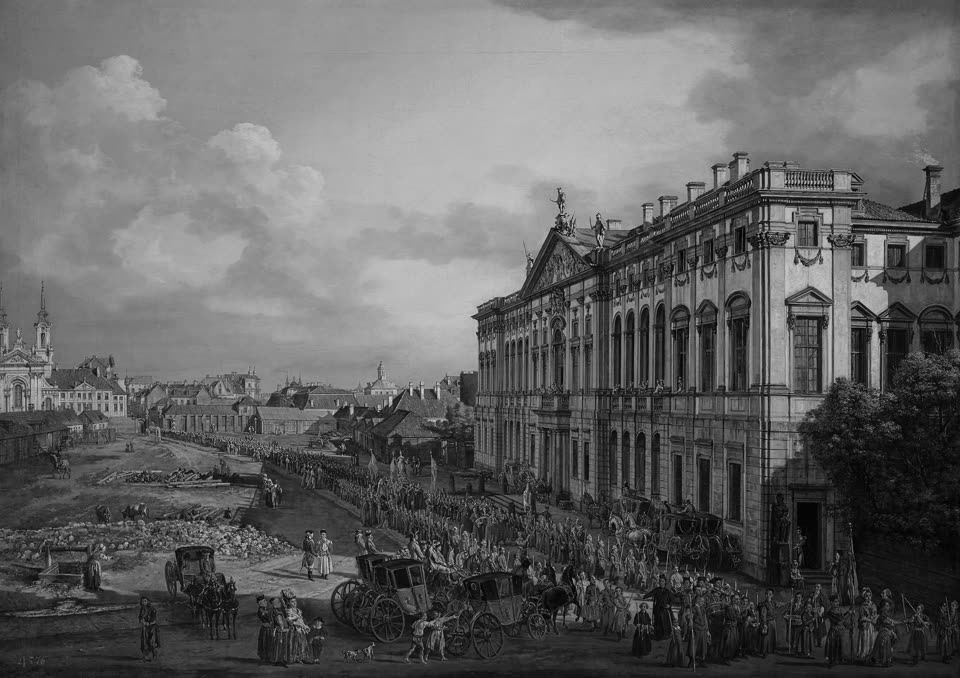
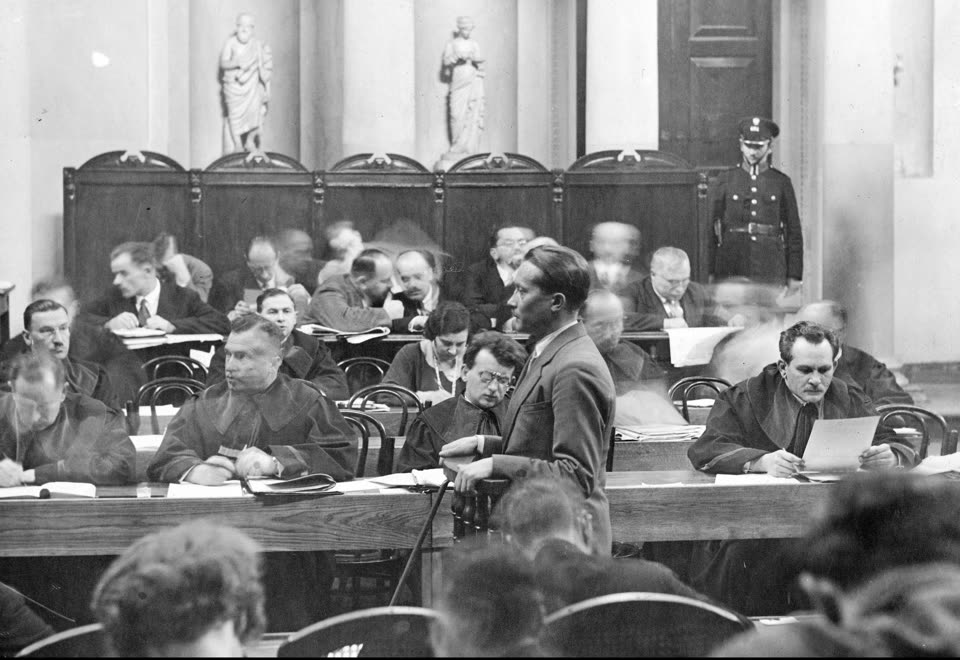
- Ilustracje: Bernardo Bellotto, ‘Krasiński Square’, 1778; Tomasz Silarski giving evidence at the Brest trial, 1931–1932. National Digital Archives; Regulation on enforcement officers, 1932. Journal of Laws No. 107, item 886; Act on Court Enforcement Officers and Enforcement, 1997. Journal of Laws No. 133, item 882.
This article is historical and informational and does not constitute legal advice.