
- 1991: the Banking Register of Customers Temporarily Failing to Meet Their Obligations is established at the initiative of the Polish Bank Association.
- 1997: the Banking Law (Article 105(4)) allows banks to establish an institution collecting data covered by banking secrecy; the Credit Information Bureau is founded in October 1997.
- 2003: the Act on the Disclosure of Economic Information (effective 26 April 2003) establishes economic information bureaus; replaced by the Act of 9 April 2010.
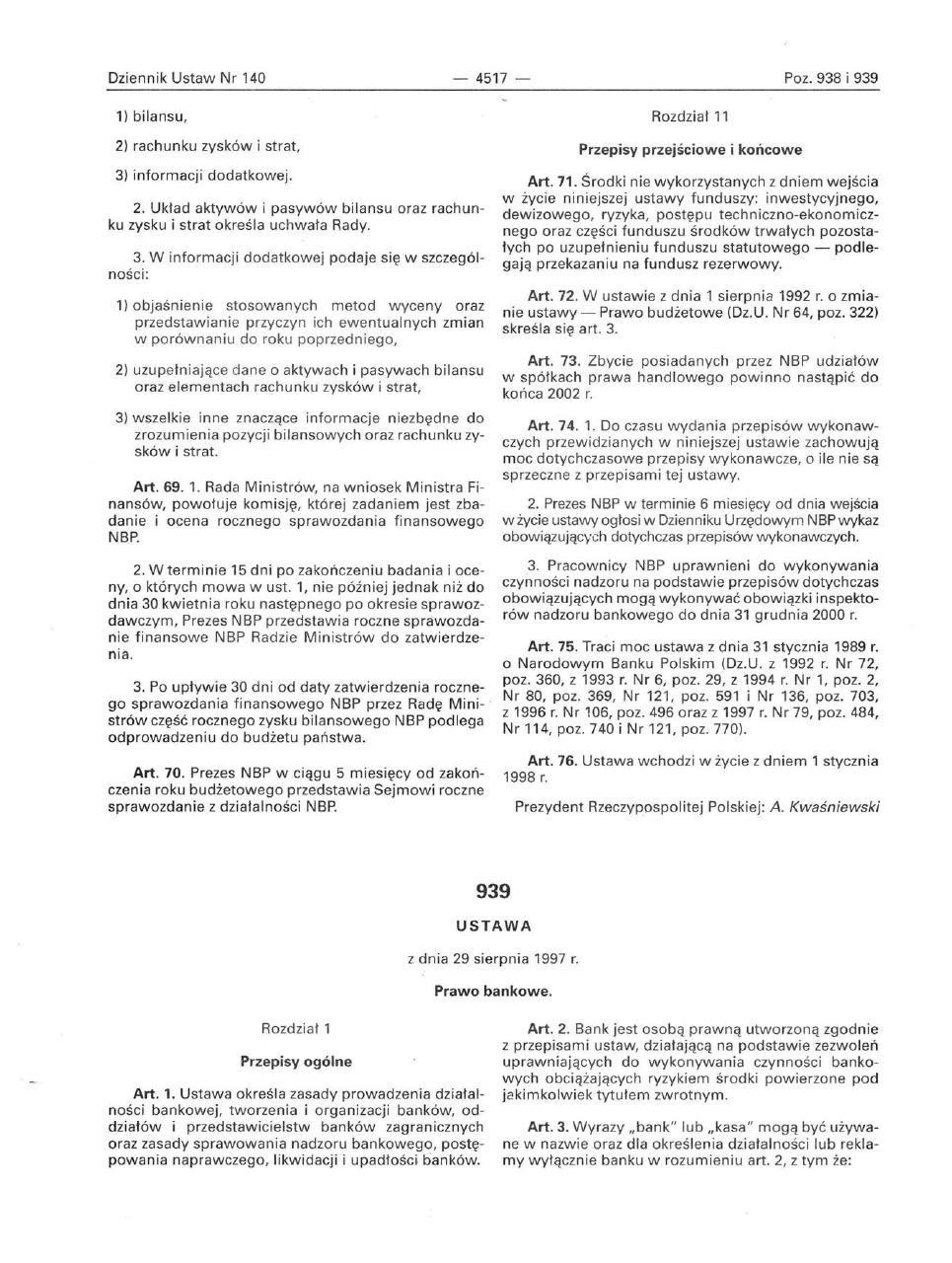
The first attempt was the Banking Register of Customers Temporarily Failing to Meet Their Obligations, established in 1991 at the initiative of the Polish Bank Association. It had one drawback: banks were reluctant to share information with competitors. The change came with the Banking Law of 29 August 1997, whose Article 105(4) allowed banks jointly to establish an institution collecting and sharing data covered by banking secrecy.
On that basis, banks and the Polish Bank Association established the Credit Information Bureau in October 1997. The database was registered by the Inspector General for Personal Data Protection in early 2000, the system for individual customers became available in November 2000, and the first credit information appeared in it in 2001. By the end of 2011, the bureau had supplied more than 170 million reports.
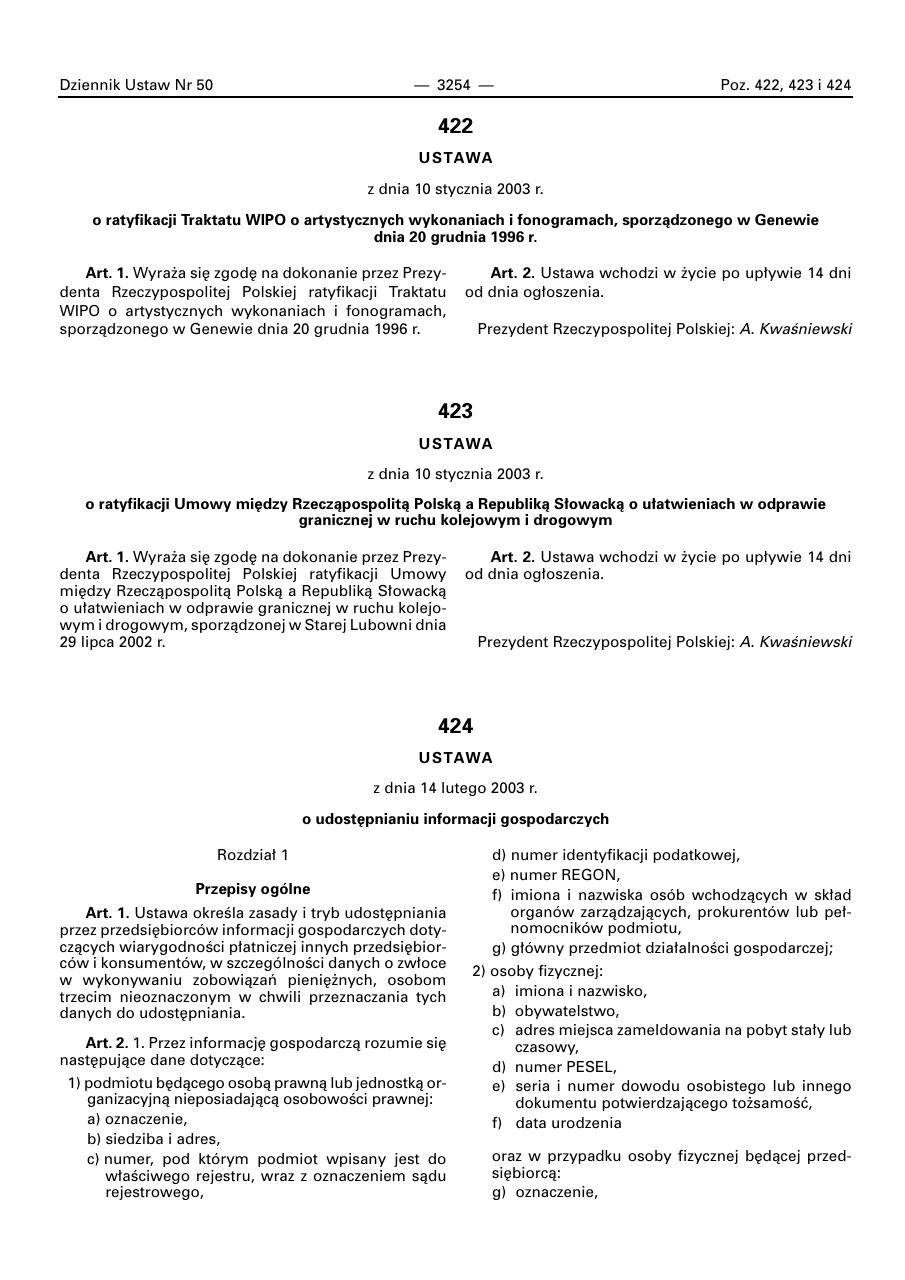
Non-bank debts, rents, bills and invoices received their own registers only after the Act of 14 February 2003 on the Disclosure of Economic Information, which came into force on 26 April 2003 and enabled economic information bureaus to operate. Today they are governed by the Act of 9 April 2010 on the Disclosure of Economic Information and Exchange of Economic Data. An entry with such a bureau has become one of the most effective incentives in amicable debt recovery.
Before signing an agreement with a new business partner, check them in the registers. How to do it free of charge: Checking a business partner at e‑PGW.
Sources and documents
- ‘How banks used to check customers and how they do it today’, Bankier.pl (BIK material), 22 December 2011, bankier.pl.
- Act of 29 August 1997, Banking Law, Article 105(4), Journal of Laws 1997 No. 140, item 939, eli.gov.pl/eli/DU/1997/939.
- Act of 14 February 2003 on the Disclosure of Economic Information, Journal of Laws 2003 No. 50, item 424, eli.gov.pl/eli/DU/2003/424.
- Act of 9 April 2010 on the Disclosure of Economic Information and Exchange of Economic Data, Journal of Laws 2010 No. 81, item 530, eli.gov.pl/eli/DU/2010/530.
- Illustration: Banking Law, 1997. Journal of Laws No. 140, item 939. Authorship: the authority issuing the act, as stated in the publication. The complete first page of the published text, rendered from the official PDF without removing content. Rights: official material; do not claim a CC licence., Illustration provenance.
- Illustration: Act on the Disclosure of Business Information, 2003. Journal of Laws No. 50, item 424. Authorship: the authority issuing the act, as stated in the publication. The complete first page of the published text, rendered from the official PDF without removing content. Rights: official material; do not claim a CC licence., Illustration provenance.
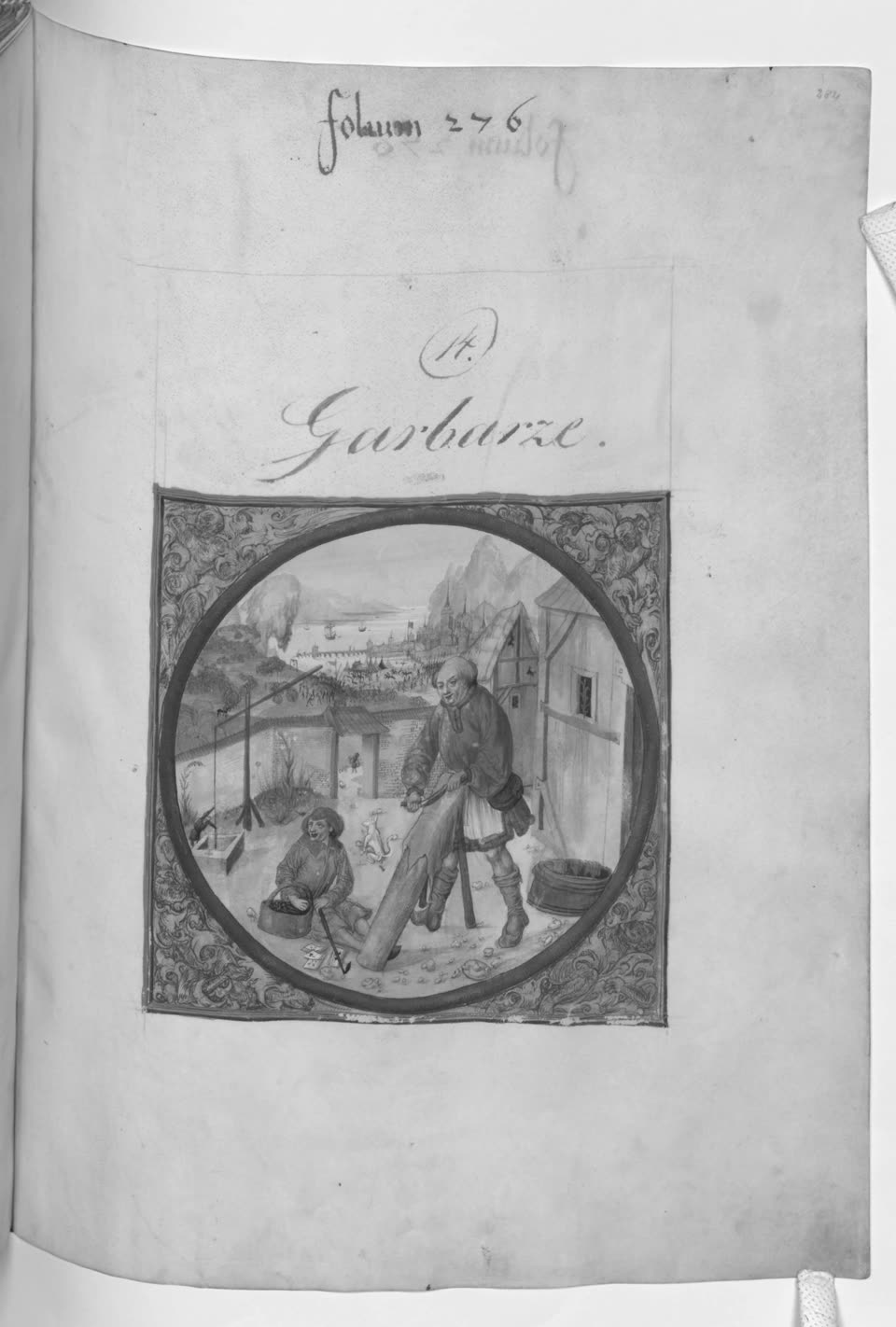
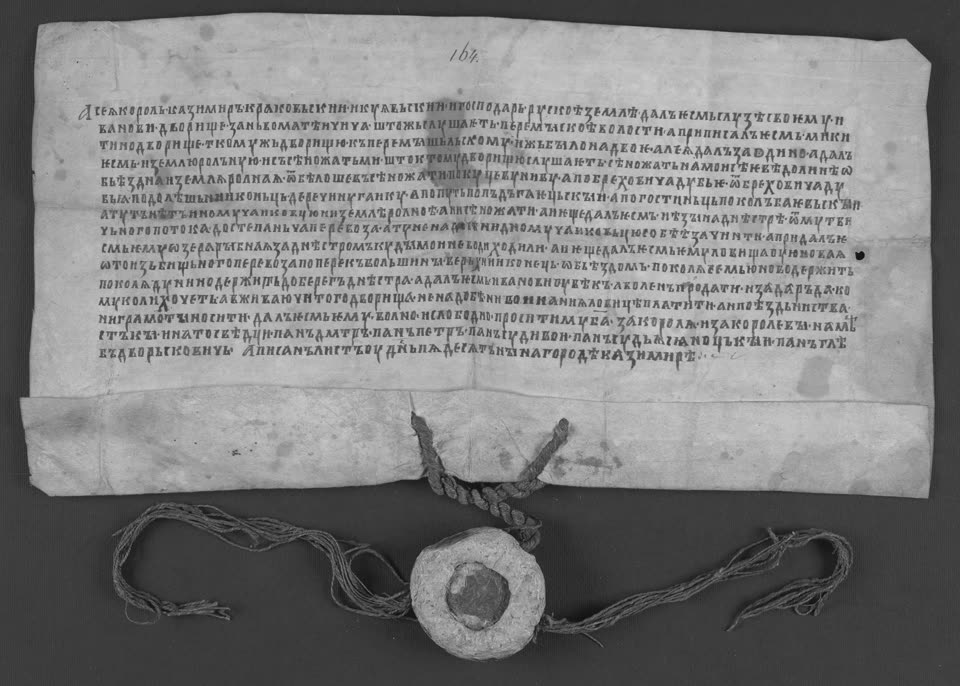
- Ilustracje: Balthasar Behem Codex, a collection of Kraków municipal laws, around 1505. Jagiellonian Library; Royal document on parchment. National Museum in Kraków, reference 164 Perg; Banking Law, 1997. Journal of Laws No. 140, item 939; Act on the Disclosure of Business Information, 2003. Journal of Laws No. 50, item 424.
This article is historical and informational and does not constitute legal advice.