
- On 17 September 1374 in Koszyce, Louis of Hungary exempted the nobility from levies other than a fixed payment of 2 grosze per peasant łan.
- From then on, every new levy required the nobility’s consent; offices were to go to local people.
- In return, the nobility recognised the right of Louis’s daughters to the throne; this was the first general privilege for the entire estate.
The Privilege of Koszyce was the price of succession. Louis of Hungary, King of Hungary and Poland, had no male heir, and Poland’s knights were reluctant to accept a woman on the throne. The document of 17 September 1374 settled the matter: in return for recognising his daughters’ rights, the king exempted the knightly estate from existing levies, retaining only a land tax of two grosze a year per peasant łan, meaning a holding of roughly 25 hectares.
According to estimates by the Polish History Museum, two grosze per łan amounted to around one tenth of the income of an average noble estate, a substantially lower levy than previous ones. The privilege also regulated other state costs: the king was to pay out of his own pocket for knights’ participation in campaigns abroad and for his stays on noble estates, and finance new castles himself or with the local nobility’s consent.
The most significant outcome was the principle that grew from the document: from Koszyce onwards, the ruler needed the nobility’s consent for every new levy. That need for consent gave rise to regional assemblies, and eventually the general Sejm. Historians call the Privilege of Koszyce the first general privilege covering the whole noble estate and one of the foundations of Polish parliamentarianism.
The tax per łan was meant to be fixed and known in advance. When debt recovery is charged as a commission on recoveries, we calculate our fee on the amount actually recovered, while other costs are set out in the agreement. How a case proceeds step by step:* How we work at e‑PGW.
Sources and documents
- Polish History Museum, ‘Privilege of Koszyce (17 September 1374)’, polishhistory.pl, polishhistory.pl.
- Integrated Educational Platform, ‘Noble privileges: personal and property inviolability’, zpe.gov.pl.
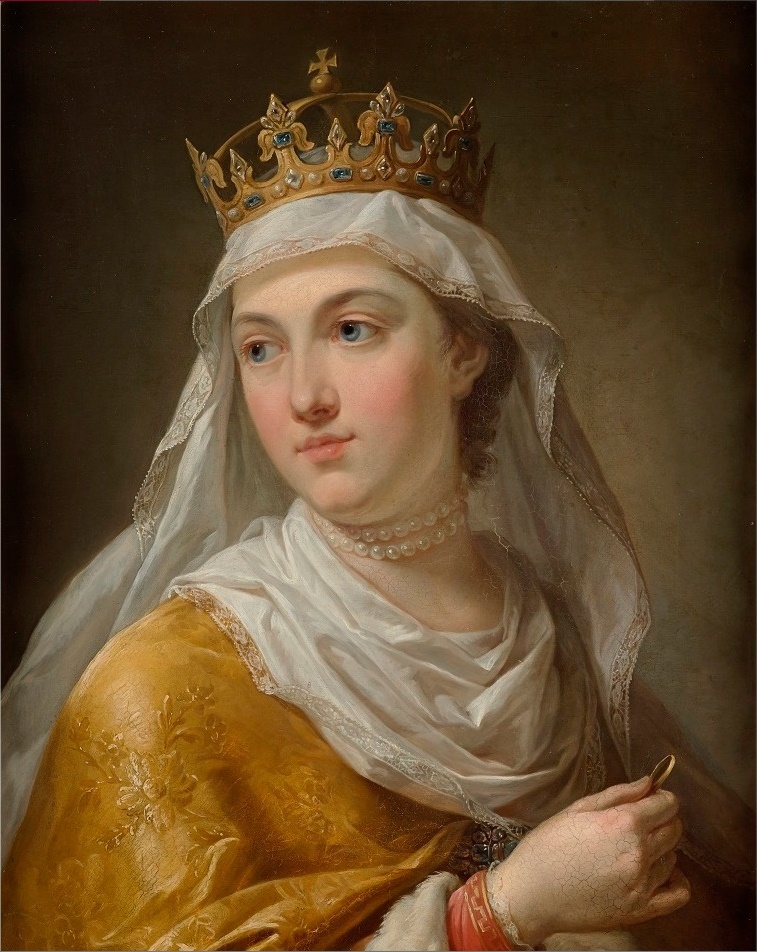
- Illustration: Marcello Bacciarelli, Jadwiga, circa 1770. Royal Castle in Warsaw. Authorship: Marcello Bacciarelli. A proportionally scaled Commons thumbnail was downloaded, or the original where no thumbnail was available; no additional retouching or cropping. The card display uses a CSS greyscale filter. Rights: Public domain., Illustration provenance.
- Terms of use: Public domain., Public domain.
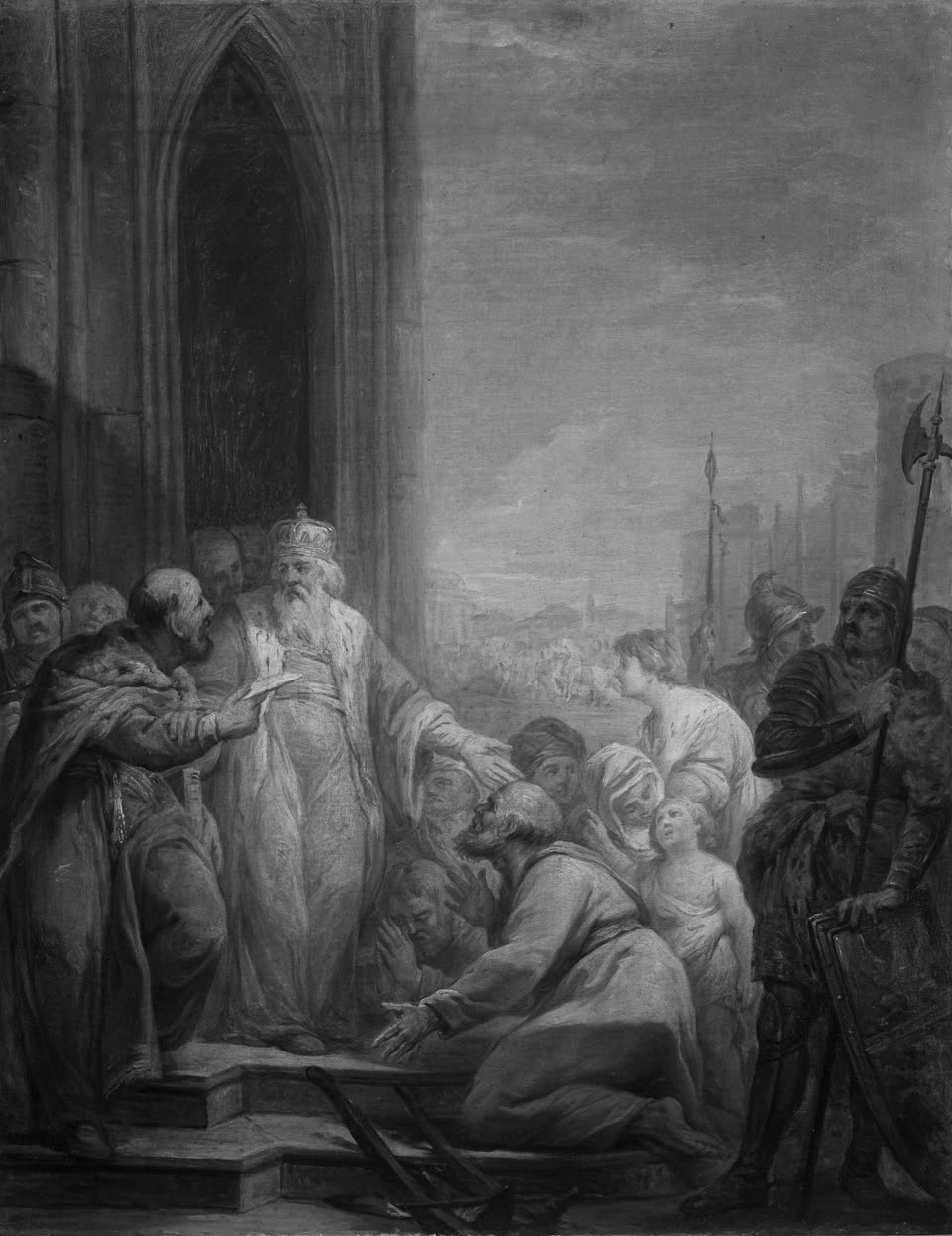
- Supplementary illustration: Casimir the Great, portrait by Marcello Bacciarelli, circa 1770. National Museum in Kraków. Context for the place, person or period, not a photograph of the event on the date in the title. Provenance and restrictions: work in the public domain, reproduction CC0; EXIF Paweł Czernicki; MNK 318884., Illustration provenance.
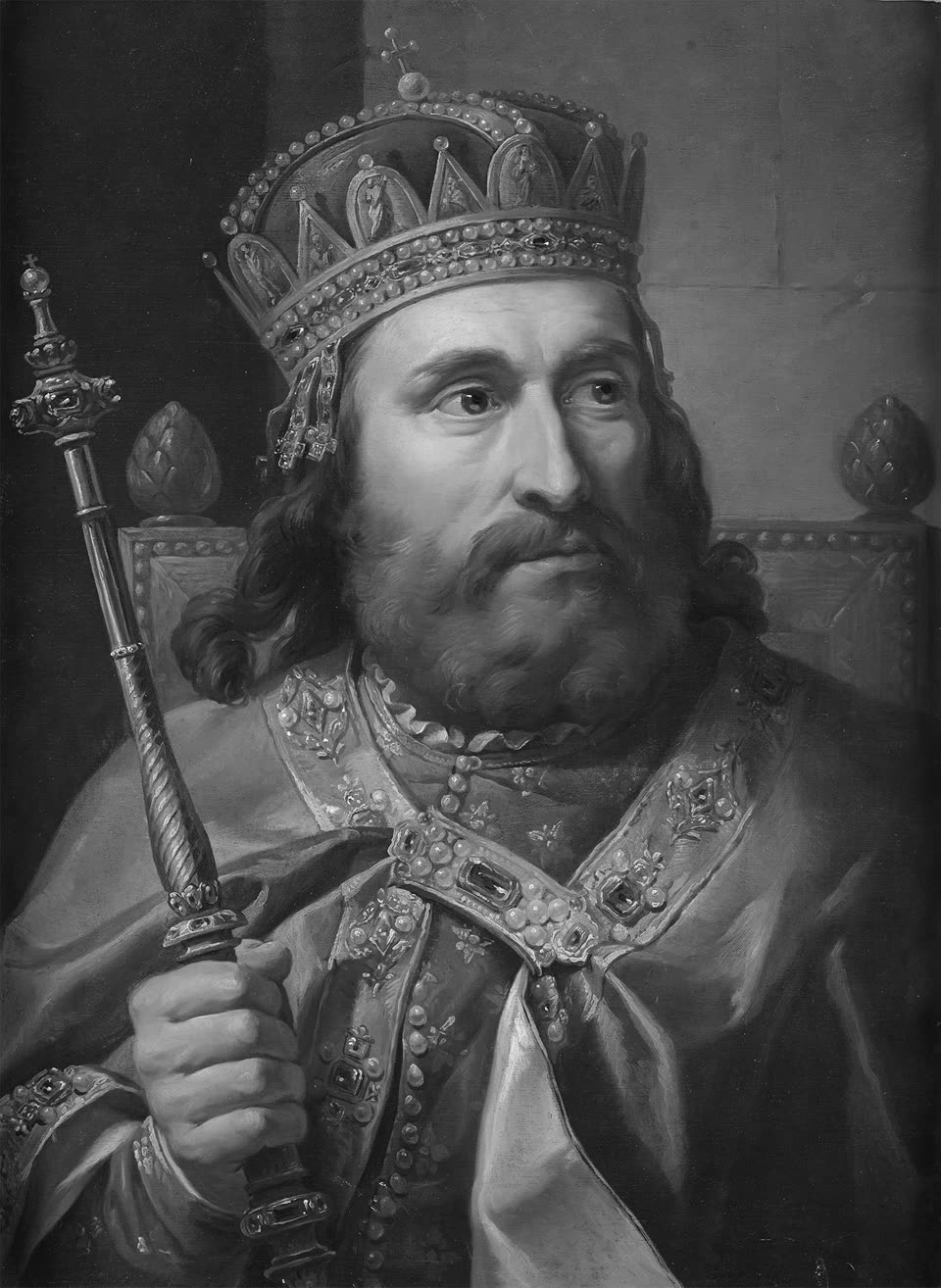
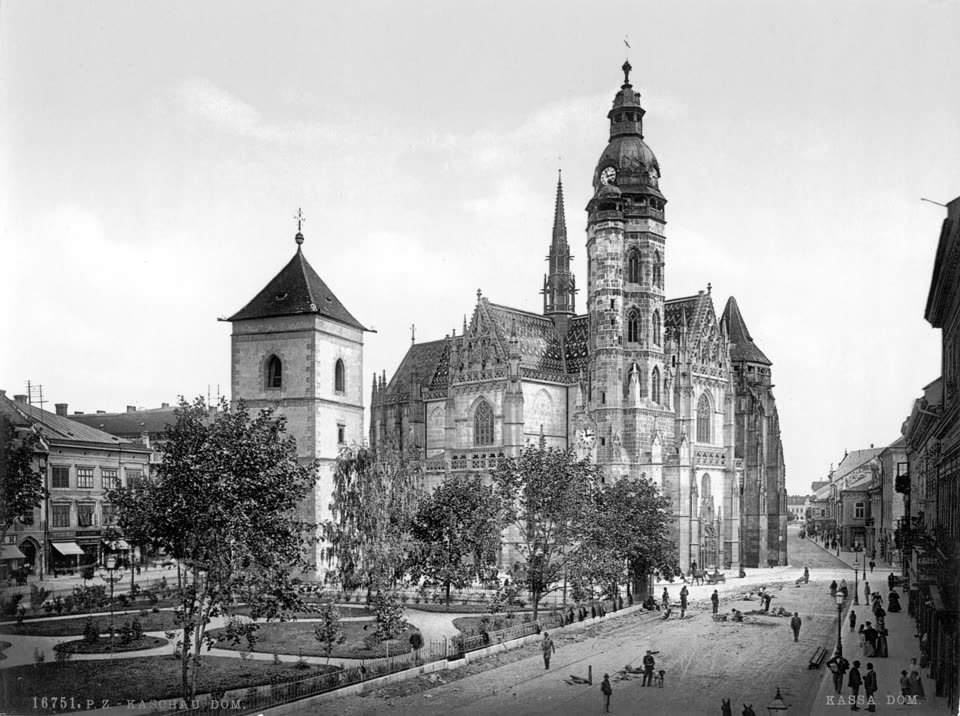
- Ilustracje: Louis of Hungary, portrait by Marcello Bacciarelli, around 1770. Royal Castle in Warsaw; Koszyce, St Elisabeth’s Cathedral, around 1900. Photographer unknown; Marcello Bacciarelli, Jadwiga, circa 1770. Royal Castle in Warsaw; Casimir the Great, portrait by Marcello Bacciarelli, around 1770. National Museum in Kraków.
This article is historical and informational and does not constitute legal advice.