
- Władysław Łokietek’s document for Kraków is dated 12 September 1306: the townspeople were to have staple rights over all goods, and copper from Hungary or Sącz could be sold only to Kraków residents.
- Thanks to its copper staple rights, Kraków monopolised trade in the metal, joined the Hanseatic League as the ‘House of Copper’ and expanded its Great Weigh House.
- Staple rights operated in Wrocław from 1274: goods had to be offered for sale for at least three days; hence the proverb ‘Wrocław, leave whatever you bring’ (1603).
Staple rights were a trading privilege granted to a town by a monarch: merchants travelling along trade routes had to offer, and often simply sell, their goods in a town holding the privilege. For the town, this meant a role as intermediary in transit trade and reliable income; for the merchant, a compulsory stop and a lower price than could be obtained further on.
Kraków opened its gates to Władysław Łokietek in 1306 and received major privileges in return. A document dated 12 September 1306 provided that the townspeople should ‘have staple rights over all goods and saleable things in the said city’, while copper brought from Hungary or Sącz was to be sold ‘not to any outsider, but only to our Kraków townspeople’. Hungarian copper, mined in what is now Slovakia, had reached Kraków since the 13th century; staple rights gave the city an almost complete national monopoly over trade in the metal, brought it into the Hanseatic League as the ‘House of Copper’ and led to the expansion of the Great Weigh House, where lead, copper and iron were weighed.
Kraków was not first. Staple rights operated in Wrocław from 1274: imported goods had to be offered for sale within the city walls for at least three days and could not be taken out during that time. The memory survived in a proverb recorded in 1603: ‘Wrocław, leave whatever you bring’. Over time, compulsory staple rights became an obstacle to trade and kings restricted them; in 1537, Sigismund the Old abolished Toruń’s staple rights for all goods except fish carried upriver.
A merchant in 1306 knew they would be paid locally for their goods. Today, an invoice may be paid late or not at all. How we recover business and private debts: Debt recovery at e‑PGW.
Sources and documents
- Integrated Educational Platform, ‘The beginnings of Władysław Łokietek’s rule’ (source text of the 1306 privilege), zpe.gov.pl.
- Museum of Kraków, study on the Great Weigh House and Kraków’s copper trade (copper staple rights of 1306), muzeumkrakowa.pl.
- M. Wołodko, ‘Wrocław in old proverbs, bon mots and sayings’, wroclaw.pl, 10 August 2024, wroclaw.pl.
- Przegląd Historyczny 45 (1954), Nos. 2–3, article on Polish-Gdańsk trade and Toruń’s staple rights, bazhum.muzhp.pl.
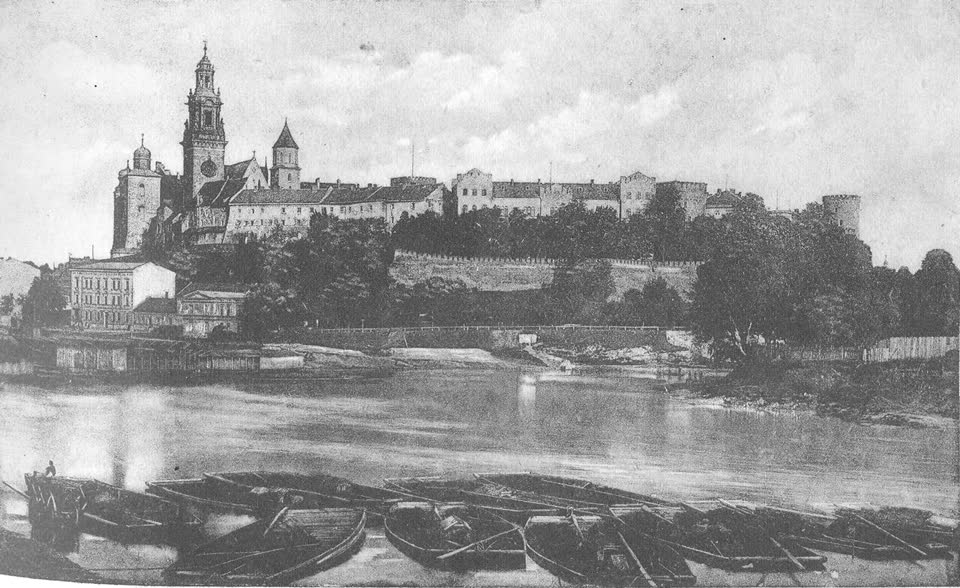
- Supplementary illustration: Kraków, Wawel viewed from the Vistula, the nineteen-thirties. Bulgarian State Archives. Context for the place, person or period, not a photograph of the event on the date in the title. Provenance and restrictions: 1930, creator unknown, Bulgarian State Archives, fonds 1771K/inventory 1/unit 1163/folio 27; PD-anon-70-EU., Illustration provenance.
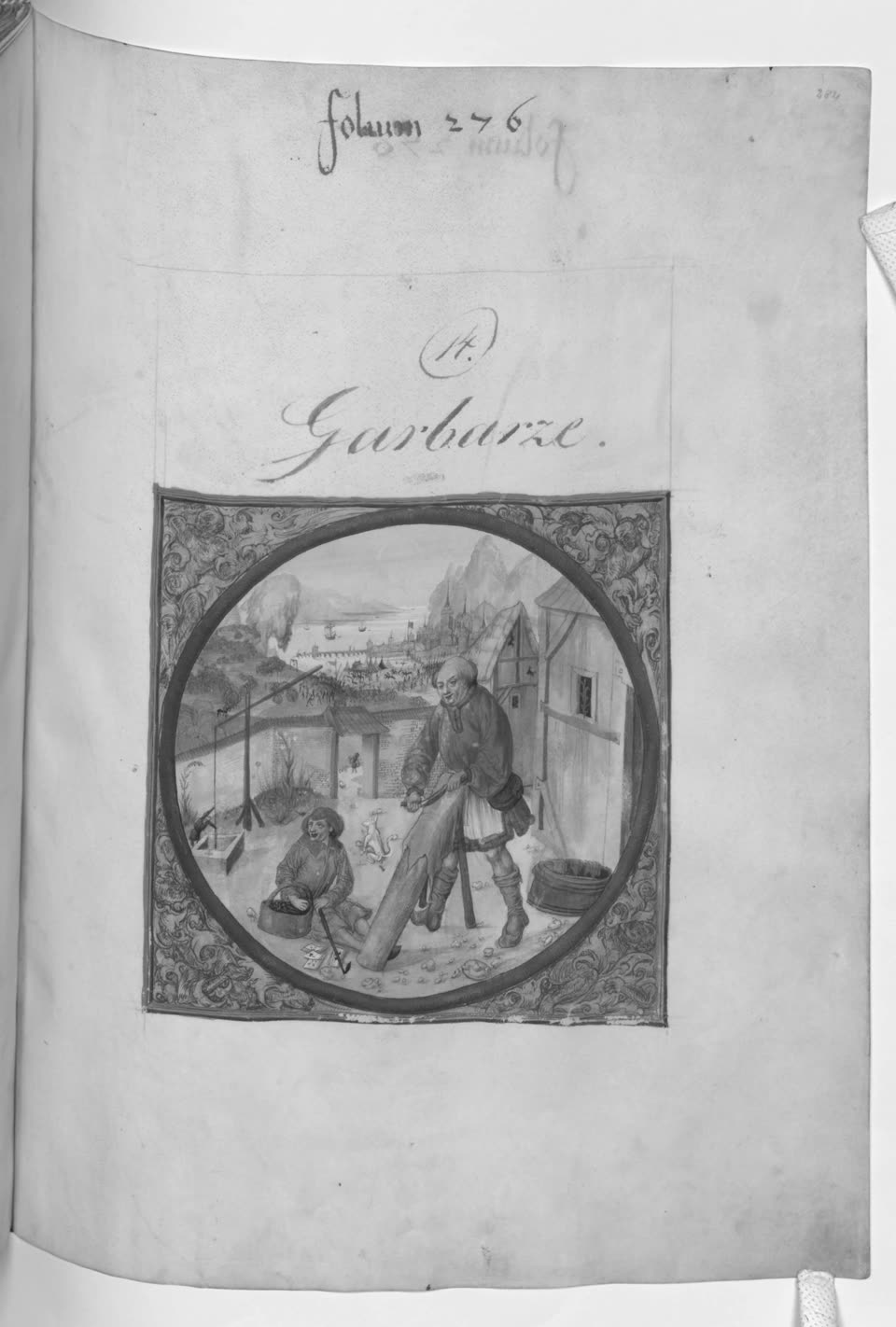
- Supplementary illustration: Balthasar Behem Codex, a collection of Kraków's municipal laws, circa 1505. Jagiellonian Library. Context for the place, person or period, not a photograph of the event on the date in the title. Provenance and restrictions: Balthasar Behem (text), illustrator unknown, 1505, BJ Ms 16 f. 276r; PD-Art / old-100., Illustration provenance.
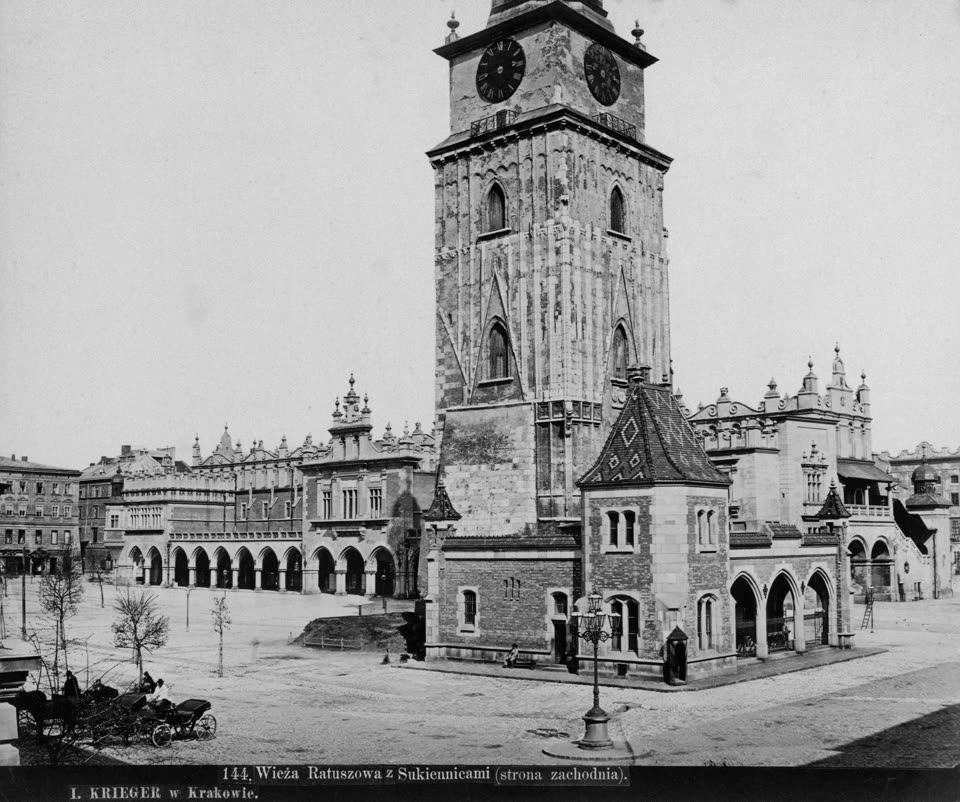
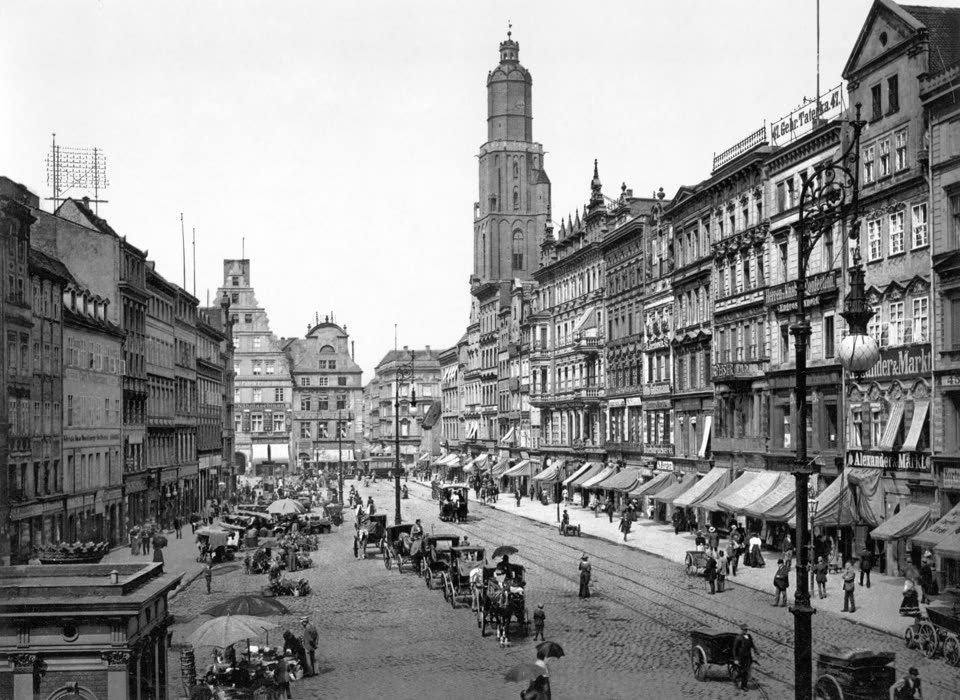
- Ilustracje: Kraków, Main Market Square with the Cloth Hall, 1887. Photograph: Ignacy Krieger; Wrocław, Market Square, east side, around 1895. Photographer unknown; Kraków, Wawel seen from the Vistula, 1930s. Bulgarian State Archives; Balthasar Behem Codex, a collection of Kraków municipal laws, around 1505. Jagiellonian Library.
This article is historical and informational and does not constitute legal advice.