
- Adopted on 26 March 1789 and entered in the official records on 6 April; the Commonwealth’s first permanent tax on income from noble land.
- Rates: 10 per cent of income from noble estates and 20 per cent from church estates; it could not be passed on to peasants.
- Purpose: to maintain the army, which the Sejm had decided to expand to 100 thousand soldiers.
The Four-Year Sejm began by abolishing the Permanent Council and deciding to expand the army to 100 thousand soldiers. Then came the question of who would pay. Having found no other sources of revenue, the deputies took a step that historian Bartosz Wróblewski calls revolutionary: a universal tax on the noble estate. The law entitled ‘Perpetual contribution of the Provinces of both nations to increase the national forces’ was adopted on 26 March 1789 and entered in the official records on 6 April.
The tax amounted to a tenth of income from noble estates and a fifth of income from church estates, and could not be passed on to peasants. The dispute concerned not the principle itself but the method of calculating income: Fryderyk Moszyński’s plan proposed estimates based on land prices in individual provinces in 1778–1788, supported by Lesser Poland but opposed by wealthy Greater Poland, where land was expensive.
It was a fundamental change: for the first time the privileged estate accepted a permanent burden for the state, and its amount depended on actual income rather than the number of łans. Revenue fell short of expectations because estimating income proved difficult, but the tax remained, and two years later the same Sejm adopted the Constitution of 3 May.
A tax calculated on actual income resembles debt recovery charged as a commission on recoveries: we calculate our fee on the amount actually recovered. Other costs are set out in the agreement. What we offer businesses:* e‑PGW for businesses.
Sources and documents
- B. Wróblewski, ‘The perpetual contribution and the problem of regional tax disputes at the beginning of the Great Sejm’, Przegląd Nauk Historycznych 2002, Year I, No. 2, pp. 71–93, bazhum.muzhp.pl.
- University of Łódź Repository, abstract of B. Wróblewski’s article, dspace.uni.lodz.pl.
- Integrated Educational Platform, ‘The Great (Four-Year) Sejm. Adoption of the Constitution of 3 May’, zpe.gov.pl.
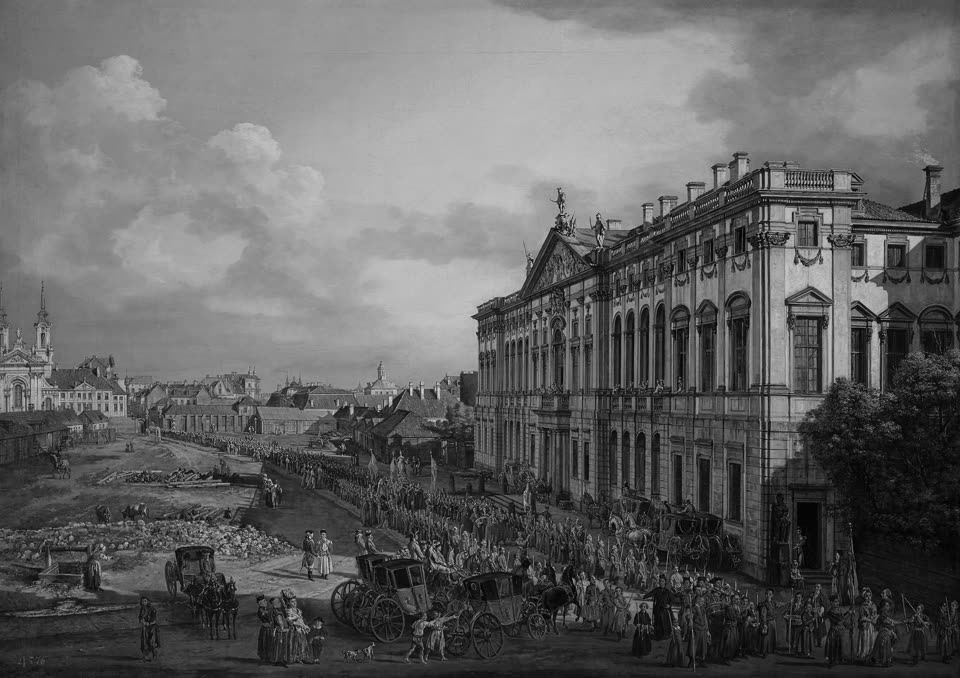
- Supplementary illustration: Bernardo Bellotto, Krasiński Square, 1778. Context for the place, person or period, not a photograph of the event on the date in the title. Provenance and restrictions: Bellotto, 1778, ZKW 454; PD-Art / old-100. The record for this reproduction cites Pinterest as its direct source; its provenance chain is weaker than a museum record., Illustration provenance.
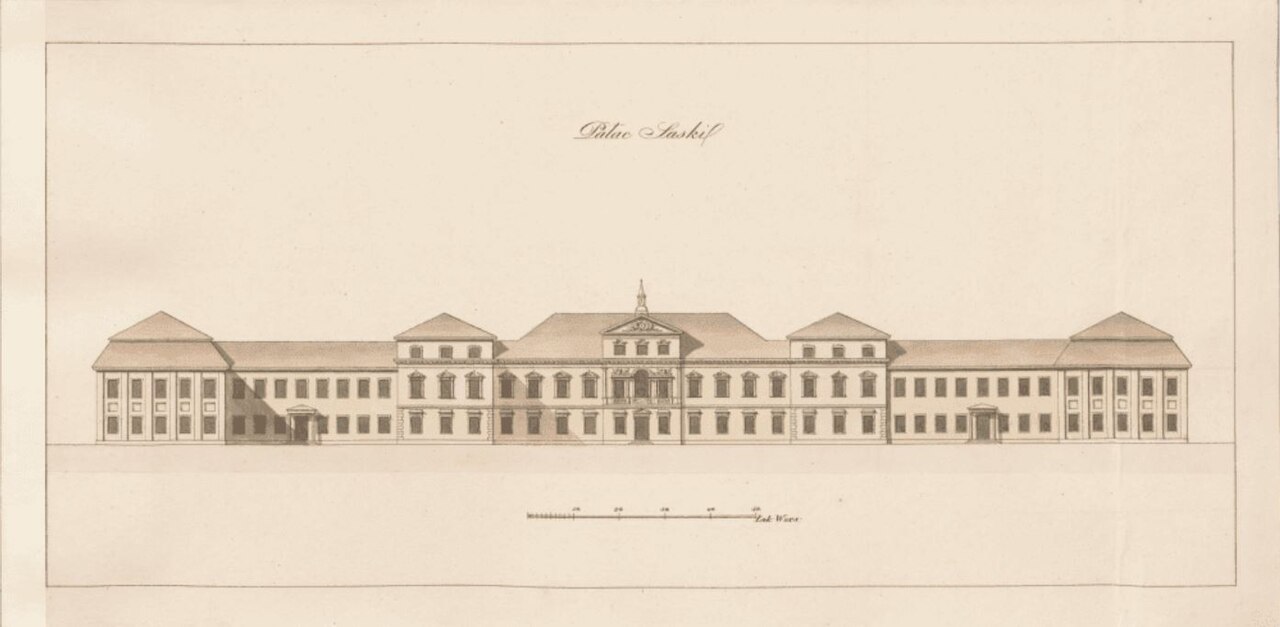
- Supplementary illustration: Saxon Palace, creator unknown, circa 1800. Context for the place, person or period, not a photograph of the event on the date in the title. Authorship and date: creator unknown, architectural view; source discoversaskipalace.com/m/2; circa1800. Provenance and restrictions: Public domain, PD-old/PDM according to the Commons record (terms), Illustration provenance.
- Illustration rights (Saxon Palace, unknown artist, around 1800.): Public domain, PD-old/PDM according to the Commons record., Rights information.
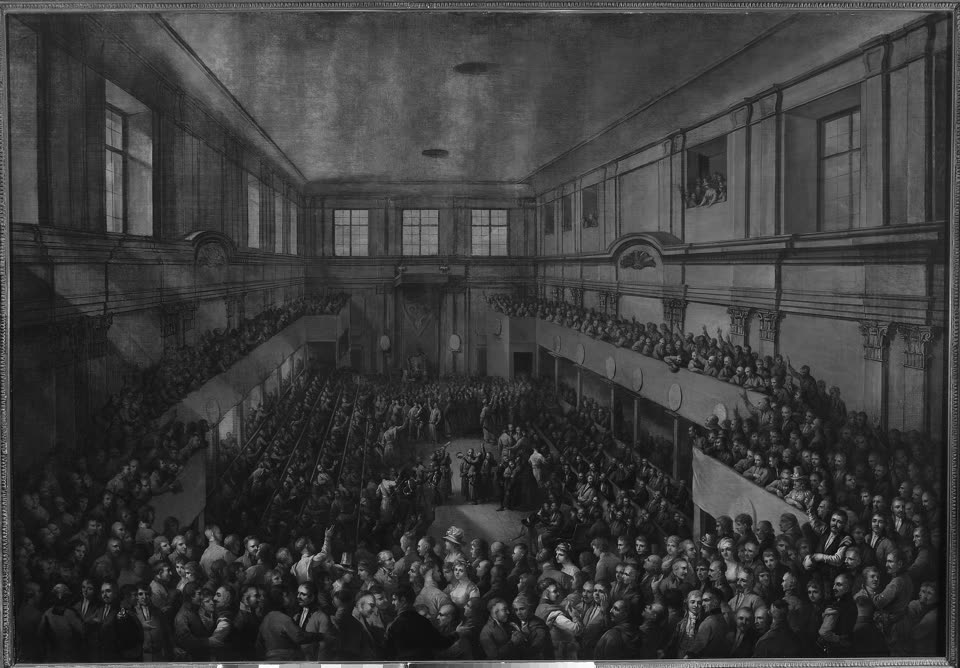
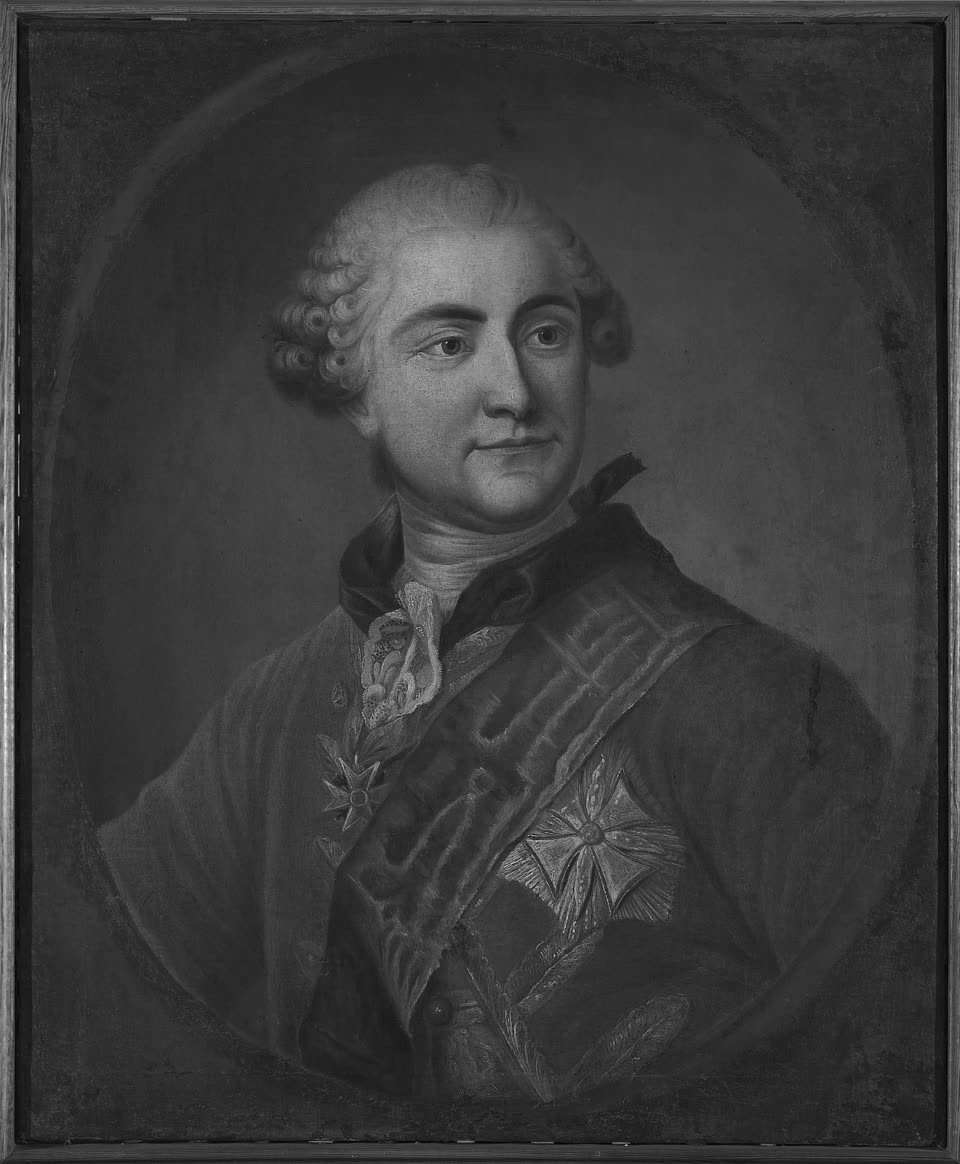
- Ilustracje: Kazimierz Wojniakowski, ‘Adoption of the Constitution of 3 May’, 1806. National Museum in Warsaw; Stanisław August Poniatowski, portrait by Marcello Bacciarelli. National Museum in Warsaw; Bernardo Bellotto, Krasiński Square, 1778; Saxon Palace, unknown artist, around 1800.
This article is historical and informational and does not constitute legal advice.