
- In 1309, the grand master’s seat moved to Malbork; the highest dignitaries included the grand treasurer.
- The Malbork treasurer’s book (Marienburger Tresslerbuch) survives for 1399–1409 and records the grand masters’ spending.
- 1392: Władysław Opolczyk pledged Dobrzyń Land to the Teutonic Knights for 50 thousand florins; Poland redeemed it in 1405 after the 1404 Treaty of Raciążek. In 1402, the Order took over the New March.
The Order’s state had an administration envied by neighbouring kingdoms. Power rested with the grand master and a council of dignitaries, including the grand treasurer; the commander combined administrative, economic and military authority over a district. The Teutonic Knights earned income from indulgences and privileges, and offered poorer knights arriving from the West credit for their journey to Prussia, repayable after taking booty.
We know what the grand master’s finances looked like from the Malbork treasurer’s book, preserved for 1399–1409. The treasurer recorded the spending of the grand masters and, in part, the Malbork convent: on current politics, maintaining the court and the capital’s castle. Researchers have used it to reconstruct, among other things, the Order’s financial assistance to knights for expeditions and the grand masters’ relations with their neighbours.
The Order’s money also reached for land. In 1392, Duke Władysław Opolczyk pledged all of Dobrzyń Land to the Teutonic Knights for 50 thousand Hungarian florins, although it formally belonged to the Crown. Władysław Jagiełło recovered it only after the treaty concluded in Raciążek in May 1404, repaying the pledged sum; the Teutonic Knights left Dobrzyń Land in June 1405. In 1402, the Order took over the New March from Sigismund of Luxembourg. Each transaction later became one of the flashpoints of the great war that ended at Grunwald.
Pledges, debt and redemption are now the language of bankruptcy and arrangements. We help businesses unable to cope with debt navigate bankruptcy proceedings: Business bankruptcy at e‑PGW.
Sources and documents
- Integrated Educational Platform, ‘The state of the Teutonic Order’, zpe.gov.pl.
- M. Radoch, ‘Contacts between the Teutonic grand masters and the Warmian dominion in 1399–1409 (in light of the Malbork treasurer’s book)’, Komunikaty Mazursko-Warmińskie 2005, No. 1, pp. 17–36, bazhum.muzhp.pl.
- ‘The elite of Dobrzyń Land at the turn of the 14th and 15th centuries’, Średniowiecze Polskie i Powszechne 3 (7), 2011, pp. 87–119 (pledge in 1392, redemption in 1405), bazhum.muzhp.pl.
- Integrated Educational Platform, ‘How and why did war with the Teutonic Knights break out?’, zpe.gov.pl.
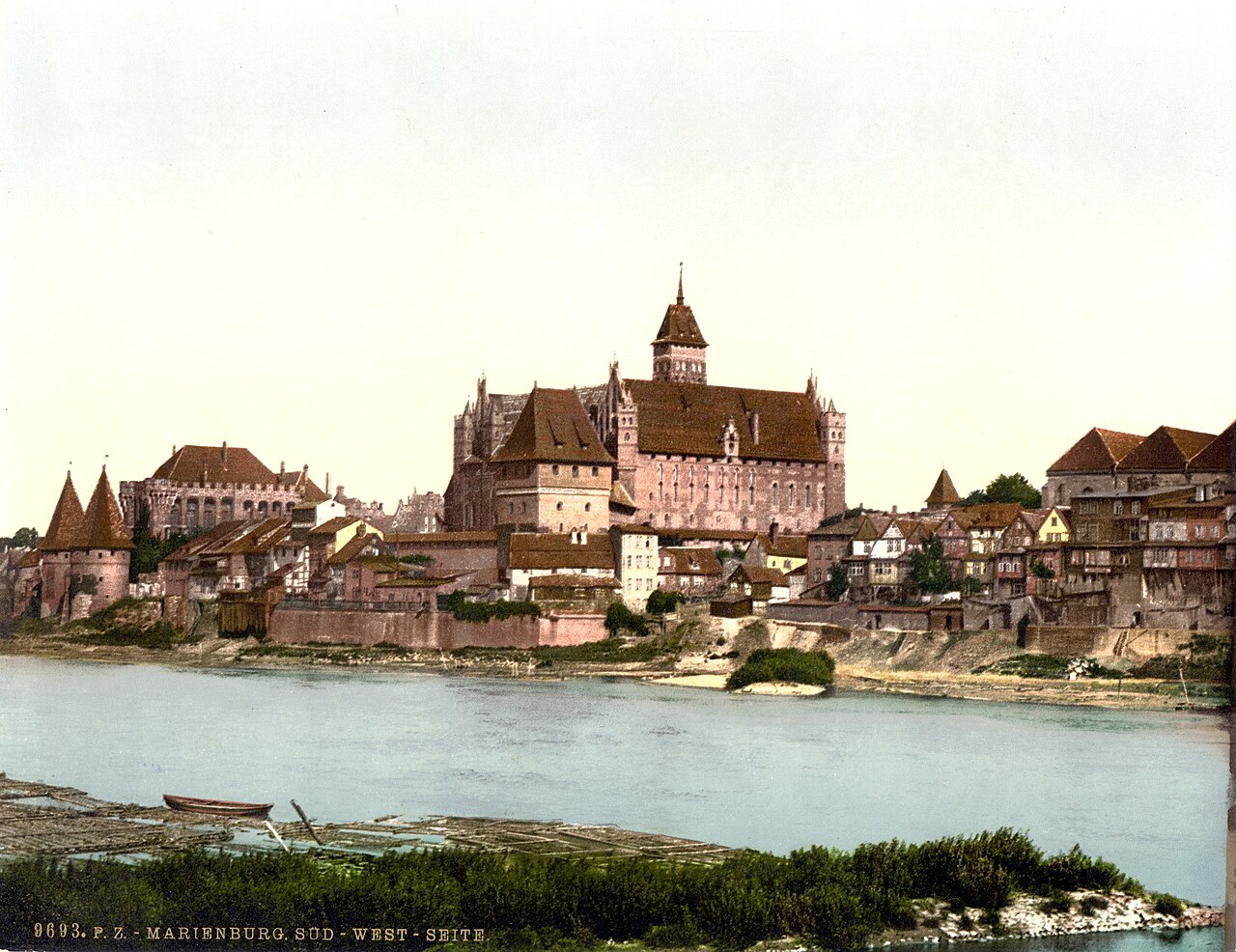
- Illustration: Malbork, view from the south-west, 1890–1905. Library of Congress. Authorship: Unknown authorUnknown author. A proportionally scaled Commons thumbnail was downloaded, or the original where no thumbnail was available; no additional retouching or cropping. The card display uses a CSS greyscale filter. Rights: Public domain., Illustration provenance.
- Terms of use: Public domain., Public domain.
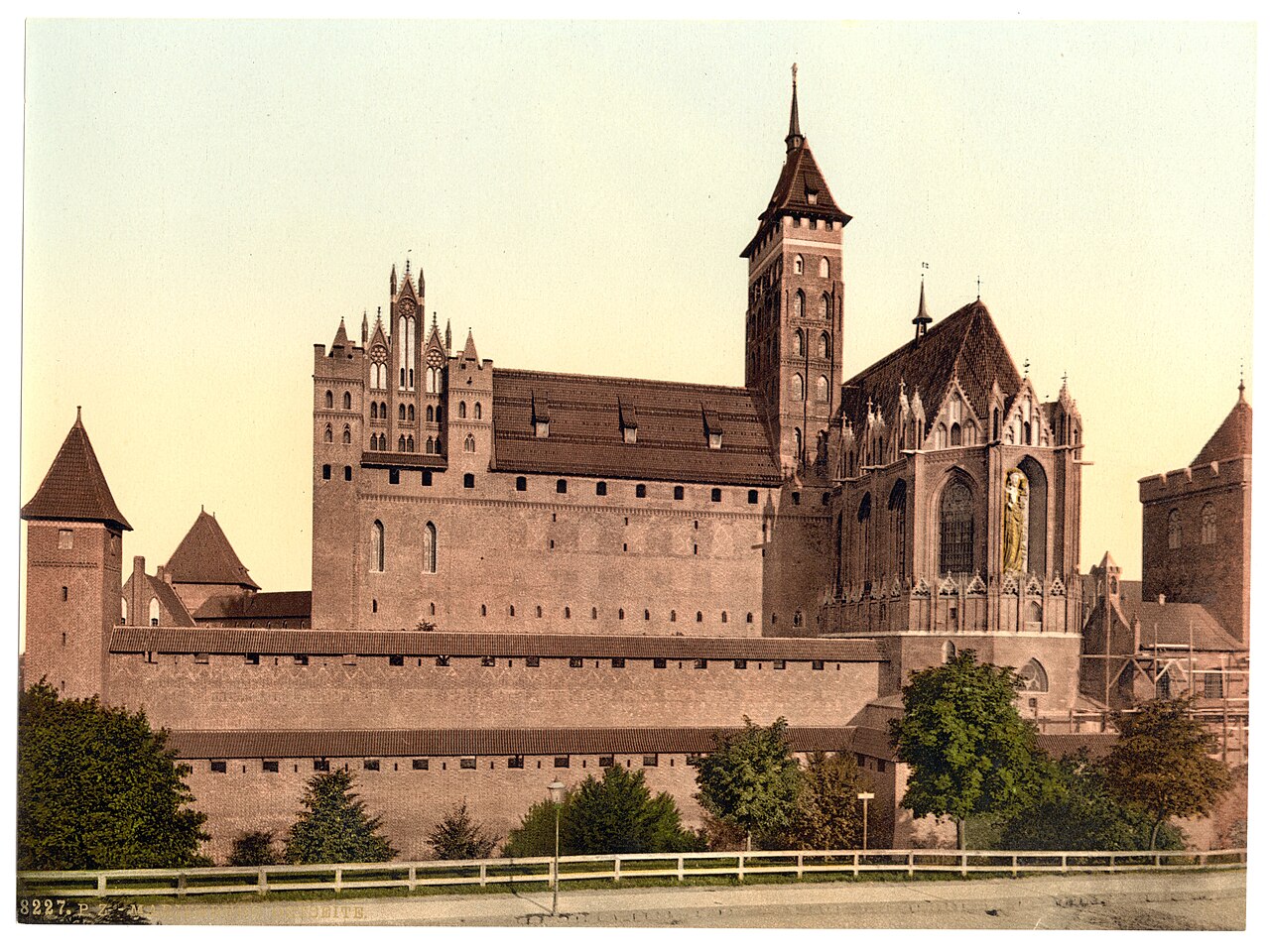
- Illustration: Malbork, view from the east, 1890–1900. Library of Congress. Authorship: creator unknown. A proportionally scaled Commons thumbnail was downloaded, or the original where no thumbnail was available; no additional retouching or cropping. The card display uses a CSS greyscale filter. Rights: Public domain., Illustration provenance.
- Terms of use: Public domain., Public domain.
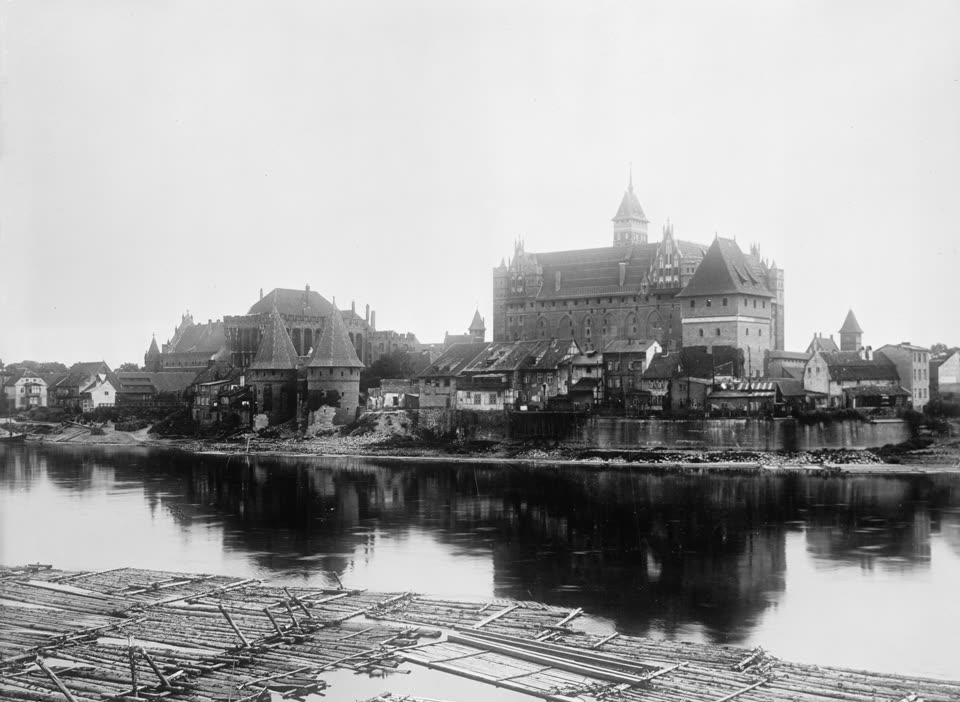
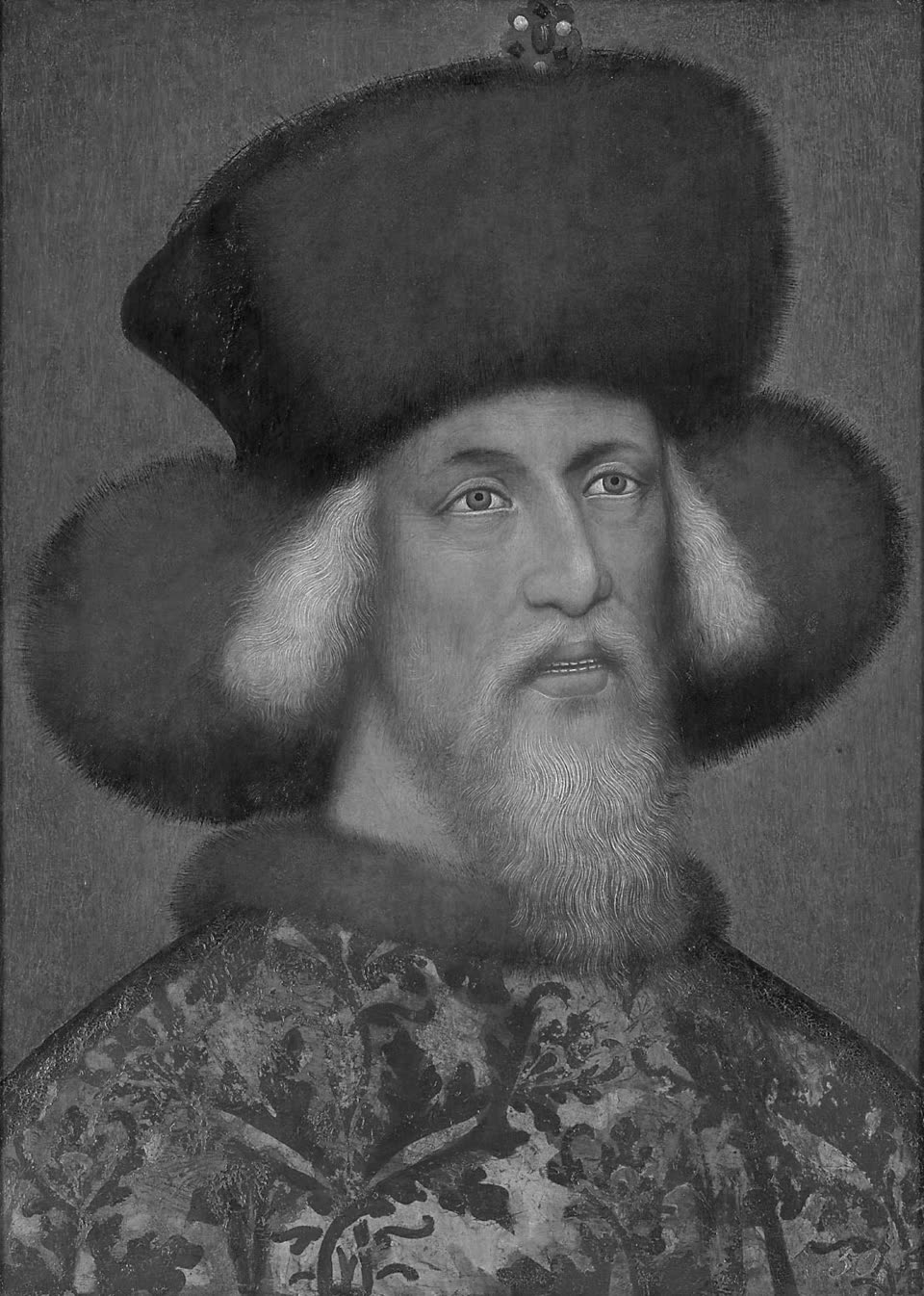
- Ilustracje: Malbork, castle seen from the Nogat, around 1915. Harris & Ewing, Library of Congress; Sigismund of Luxembourg, portrait from around 1430. Kunsthistorisches Museum, Vienna; Malbork, view from the south-west, 1890–1905. Library of Congress; Malbork, view from the east, 1890–1900. Library of Congress.
This article is historical and informational and does not constitute legal advice.