
- Kwarta: a tax introduced in 1563, charged to leaseholders of royal estates at 1/4 of income, and from 1567 at 1/5.
- The money funded the kwarta army, standing paid troops defending the south-eastern borders.
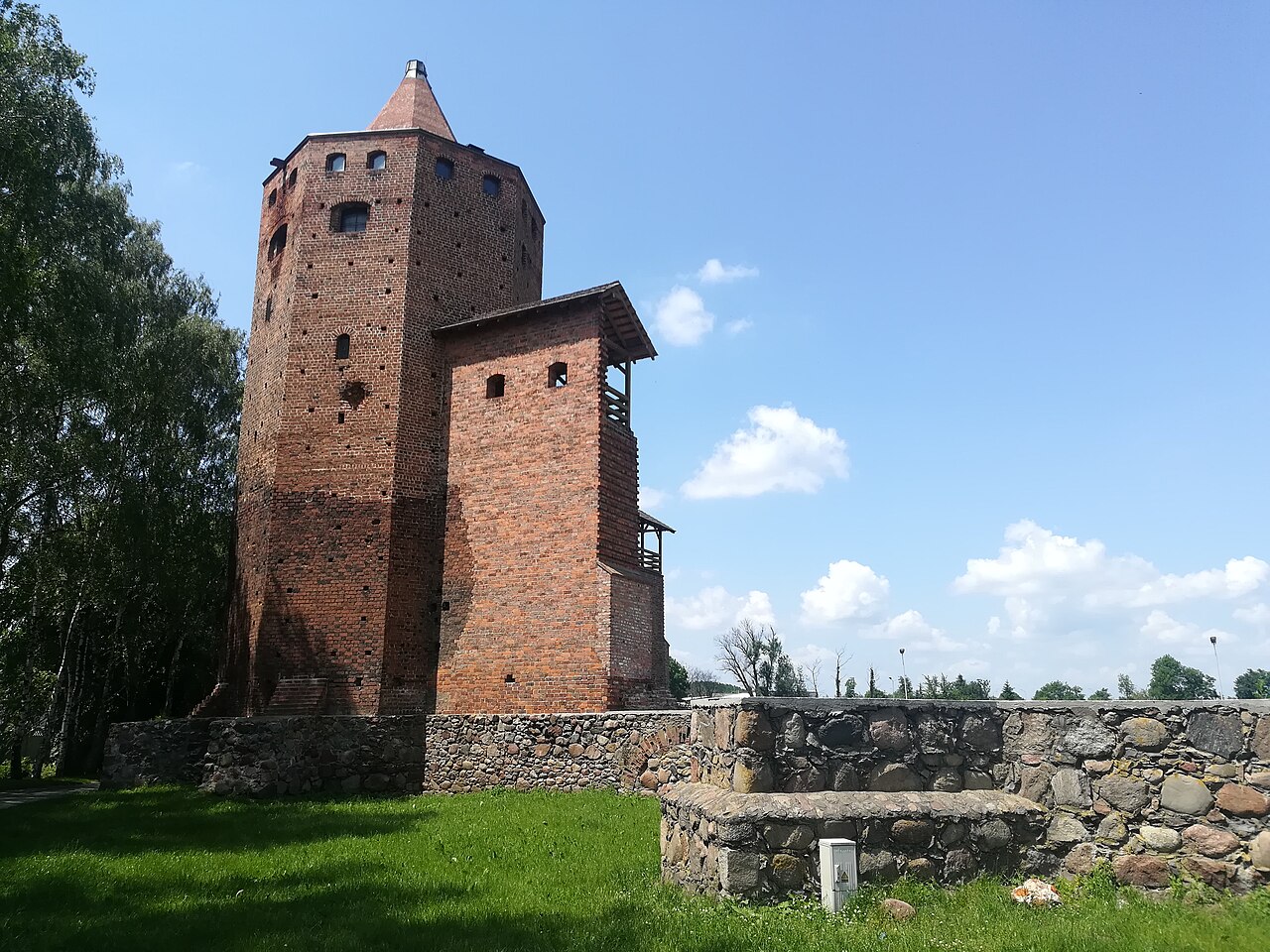
- A treasury commission for the kwarta army operated in Rawa Mazowiecka from 1563; hence the name Rawa treasury.
The executionist reform movement, which in the mid-16th century demanded the recovery of royal estates that had been granted away, also had a fiscal dimension. If the royal lands were to return to state control, their income should serve the state. The Piotrków Sejm of 1562/1563 resolved that leaseholders of royal estates would pay a quarter, or kwarta, of their income each year to maintain standing paid troops needed to defend the south-eastern borderlands from Tatar raids.
The quarter soon became a fifth: from 1567, the kwarta was calculated as 1/5 of income after deducting the leaseholder’s share. The money went into a separate treasury, independent of the king’s court treasury. It was based in Rawa Mazowiecka, where a treasury commission for the kwarta army had operated since 1563, hence the name Rawa treasury. This was one of Poland’s earliest arrangements giving a recurring expense a permanent, dedicated source of funding.
The kwarta army formed the core of the Commonwealth’s standing defence under the last Jagiellons, Báthory and the Vasas. In the second half of the 17th century, following military defeats, both this force and its treasury declined, and the army was supported by successive taxes. The principle remained, however: a permanent public service needs steady, predictable funding, rather than ad hoc collections.
The kwarta separated permanent funding for a permanent purpose from the king’s current funds. In debt recovery charged as a commission on recoveries, the fee depends on the amount actually recovered, while other costs are set out in the agreement. Full charging rules:* e‑PGW pricing.
Sources and documents
- Integrated Educational Platform, ‘The executionist movement and its leaders’ (glossary: kwarta army), zpe.gov.pl.
- J. Kubiak, ‘Rawa Mazowiecka. Conservation programme’, Ochrona Zabytków 33 (1980), No. 1, bazhum.muzhp.pl.
- Radzyński Rocznik Humanistyczny, vol. 8 (2010), pp. 9–23, article on the kwarta army and treasury, bazhum.muzhp.pl.
- Illustration: Castle in Rawa Mazowiecka, 2020. Photo: MOs810. Authorship: MOs810. A proportionally scaled Commons thumbnail was downloaded, or the original where no thumbnail was available; no additional retouching or cropping. The card display uses a CSS greyscale filter. Rights: CC BY-SA 4.0., Illustration provenance.
- Terms of use: CC BY-SA 4.0., CC BY-SA 4.0.
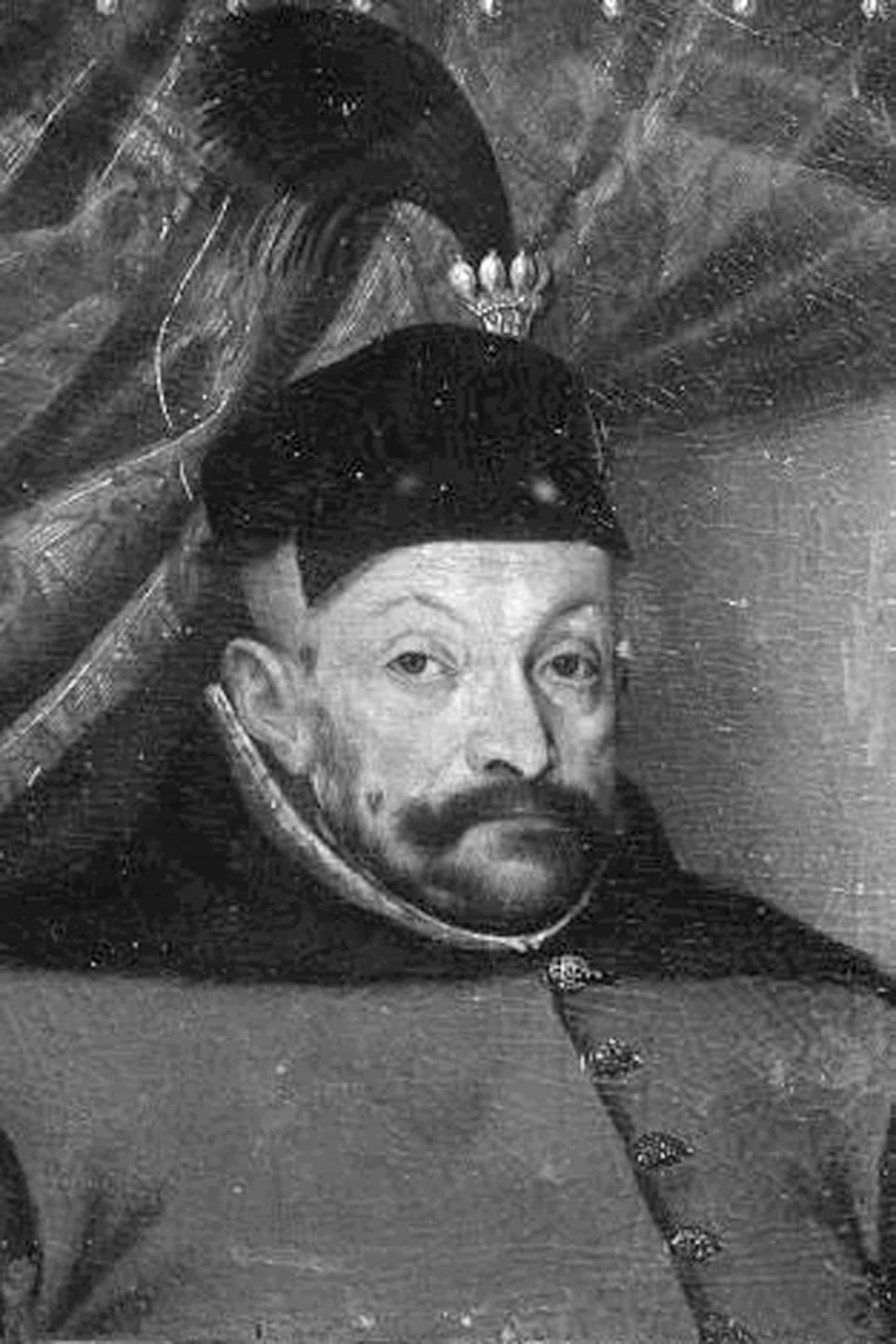
- Supplementary illustration: Stephen Báthory, portrait by Marcin Kober, 1583. Context for the place, person or period, not a photograph of the event on the date in the title. Provenance and restrictions: Marcin Kober, 1583, Uffizi; PD-Art / old-100., Illustration provenance.
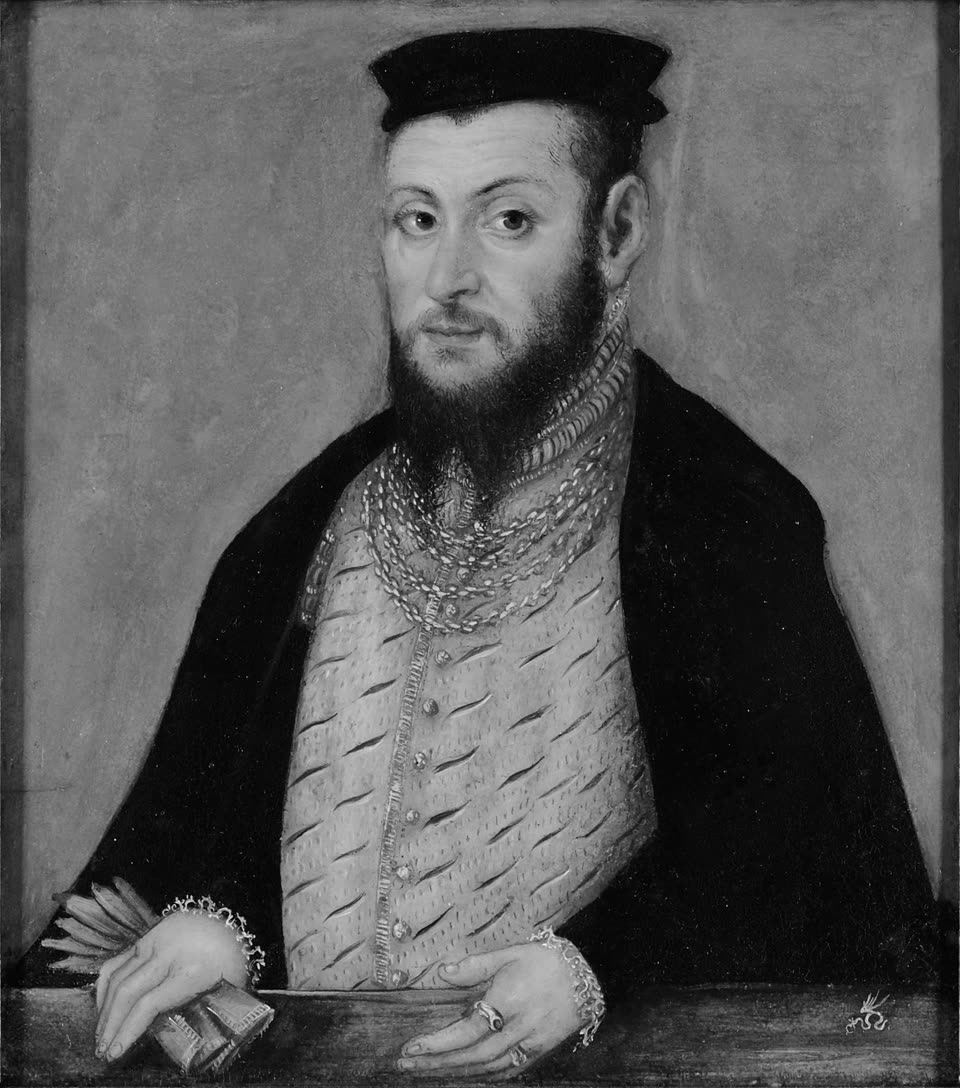
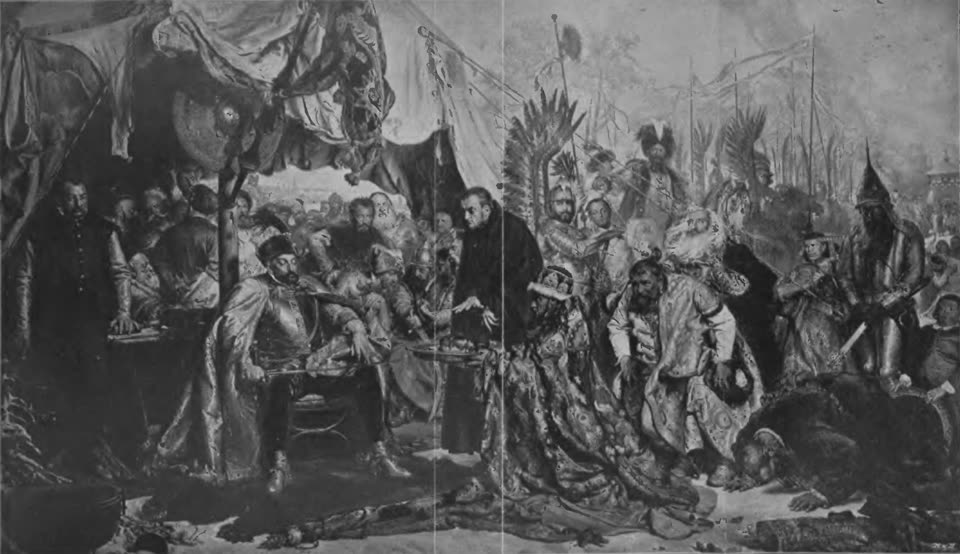
- Ilustracje: Sigismund Augustus, workshop of Lucas Cranach the Younger, around 1565. Czartoryski Museum; Jan Matejko, ‘Báthory at Pskov’, 1872; Castle in Rawa Mazowiecka, 2020. Photo: MOs810; Stephen Báthory, portrait by Marcin Kober, 1583.
This article is historical and informational and does not constitute legal advice.