
- In towns, the ban was circumvented through wyderkaf: the debtor sold property to the creditor with a right to repurchase it at an agreed time and price.
- In 1596, the Jesuit Marcin Śmiglecki published ‘O lichwie, wyderkach, czynszach...’, a short work subsequently reprinted ten more times.
- Modern maximum interest rates: from 20 February 2006 (Civil Code amendment of 7 July 2005), changed from 1 January 2016.
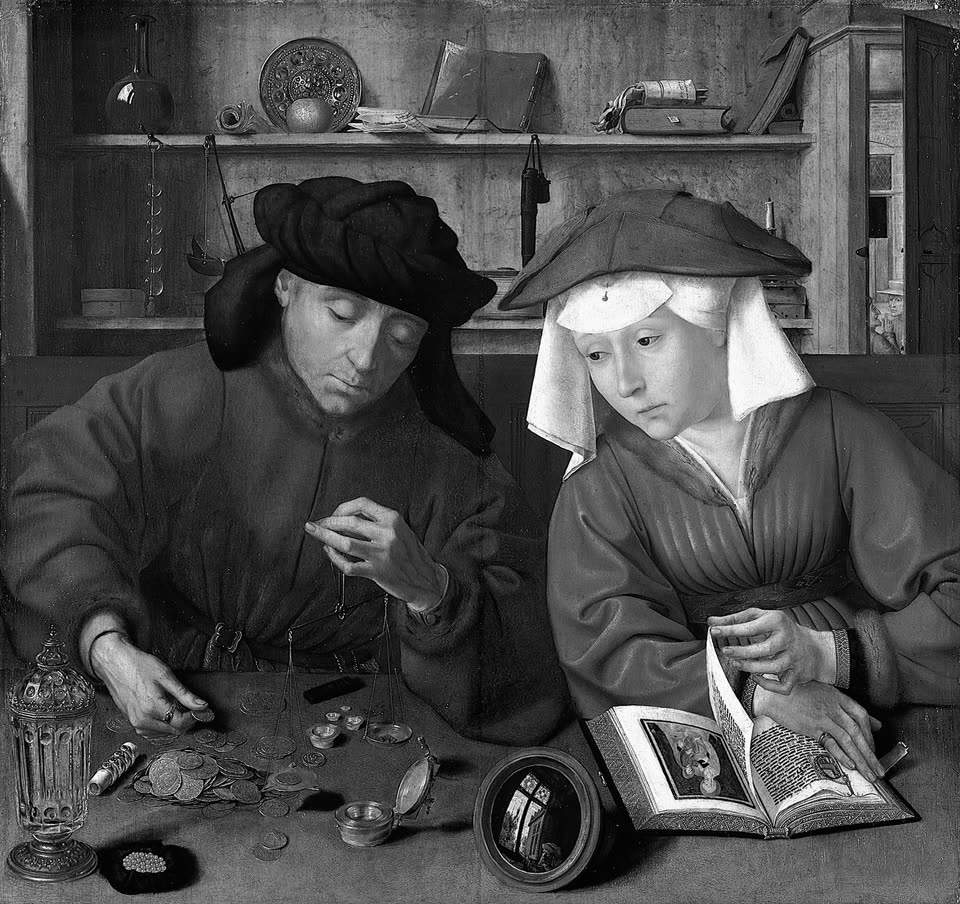
Kraków was the largest banking centre in old Poland. Loans were provided by wholesale merchants, leaseholders of royal monopolies, bankers exchanging money, and moneylenders. Because canon law prohibited charging interest, towns circumvented the ban through arrangements called wyderkafty: the borrower sold the creditor a property intended to secure the debt, reserving the right to repurchase it at a specified time and price. The difference between the sale and repurchase prices was hidden interest.
The debate over what was permissible appeared in print in Poland in 1596. That year the Jesuit Marcin Śmiglecki published in Polish ‘O lichwie, wyderkach, czynszach, spolnych zarobkach, naymach, arendach i samokupstwie krótką naukę’, subsequently reprinted ten more times. As Father Władysław Wicher wrote in 1936, Śmiglecki discussed permissible forms of income from capital, such as rents and partnerships, distinguishing them from usury on an ordinary loan, and stood closer to the more lenient school of contemporary theology.
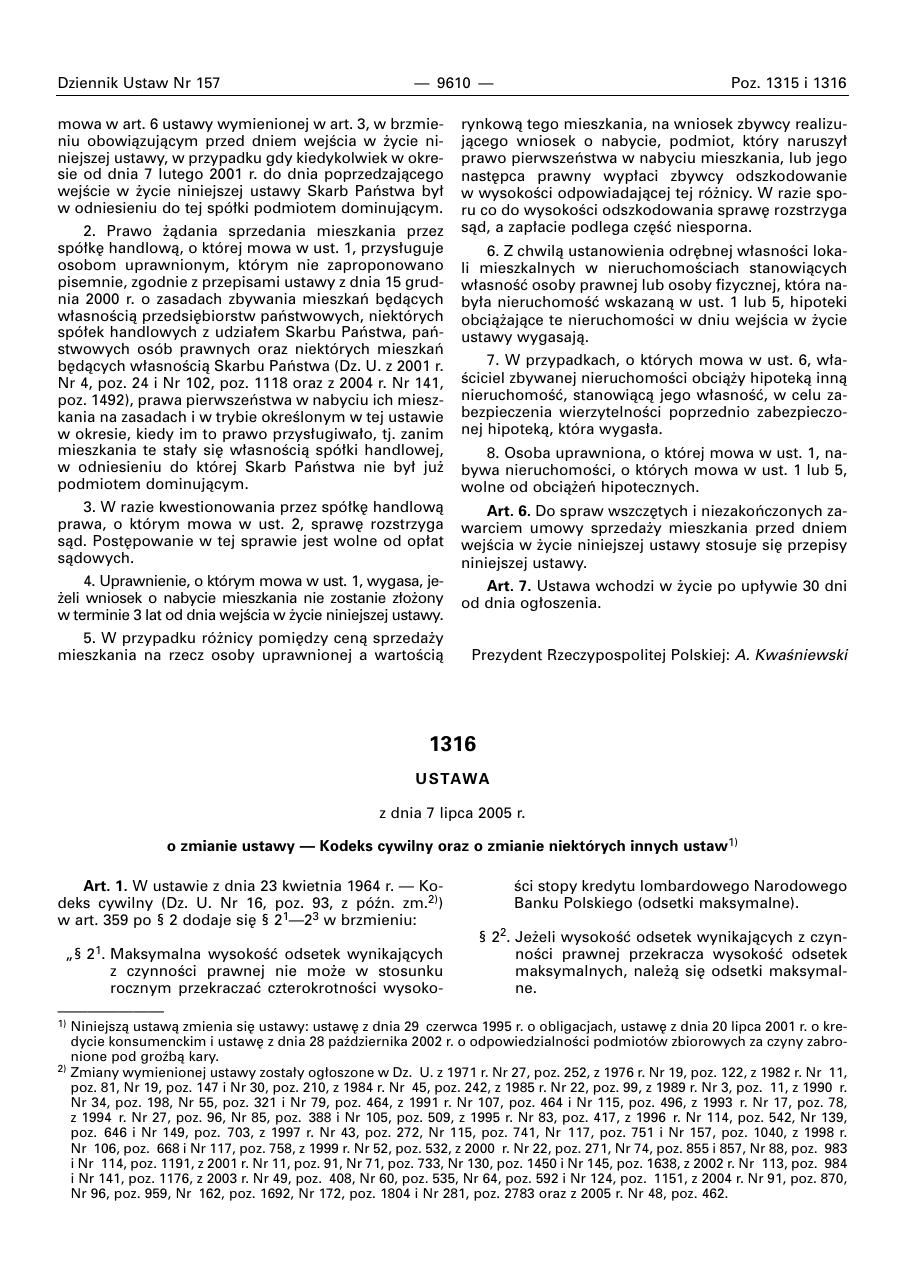
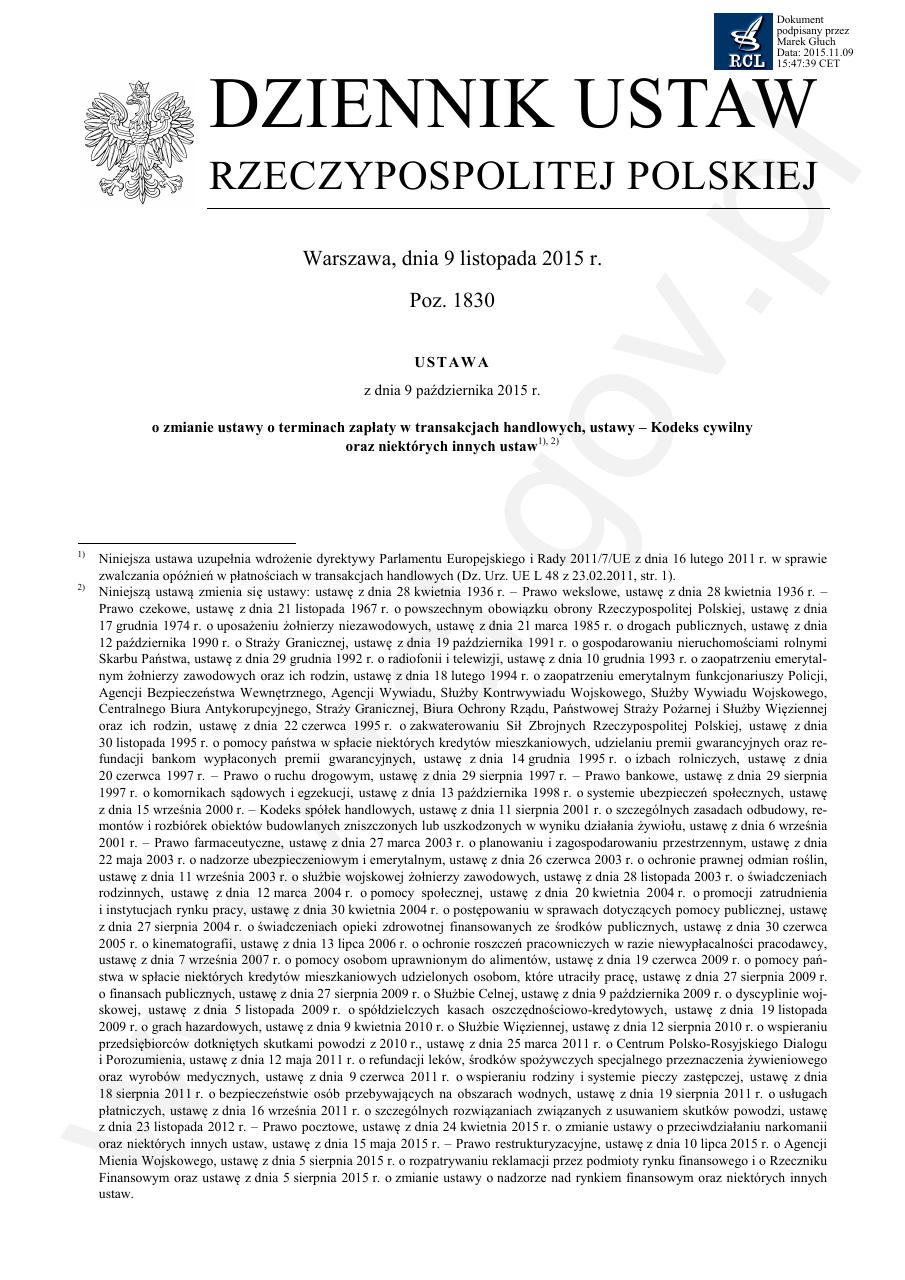
Several centuries later, the debate returned in secular form. The Act of 7 July 2005 amending the Civil Code, effective from 20 February 2006, introduced maximum interest rates, then equal to four times the NBP lombard lending rate. Since 1 January 2016, following the Act of 9 October 2015, maximum interest has been twice statutory interest. Śmiglecki’s question of how much may be charged for lending money is now answered in Article 359 of the Civil Code.
In statutory cases where a lender breaches its obligations, a consumer may invoke the cost-free credit sanction. Whether it applies depends on the agreement and fulfilment of the statutory conditions. See what is worth checking in your agreement: The cost-free credit sanction at e‑PGW.
Sources and documents
- ‘History of Polish banking’, material from the Faculty of Economic Sciences, University of Warsaw (sale-and-repurchase arrangements, banking centres), ekonomia.wne.uw.edu.pl.
- W. Wicher, ‘Father Marcin Śmiglecki SJ’s treatise on usury and interest’, Collectanea Theologica 17 (1936), pp. 289–316, bazhum.muzhp.pl.
- Act of 7 July 2005 amending the Civil Code and certain other acts, Journal of Laws 2005 No. 157, item 1316, eli.gov.pl/eli/DU/2005/1316.
- Act of 9 October 2015 amending the Act on Payment Terms in Commercial Transactions, the Civil Code and certain other acts, Journal of Laws 2015, item 1830, eli.gov.pl/eli/DU/2015/1830.
- Act of 23 April 1964, Civil Code, Article 359, Journal of Laws 1964 No. 16, item 93, eli.gov.pl/eli/DU/1964/93.
- Illustration: Civil Code amendment, 2005. Journal of Laws No. 157, item 1316. Authorship: the authority issuing the act, as stated in the publication. The complete first page of the published text, rendered from the official PDF without removing content. Rights: official material; do not claim a CC licence., Illustration provenance.
- Illustration: Amendment concerning interest, 2015. Journal of Laws, item 1830. Authorship: the authority issuing the act, as stated in the publication. The complete first page of the published text, rendered from the official PDF without removing content. Rights: official material; do not claim a CC licence., Illustration provenance.
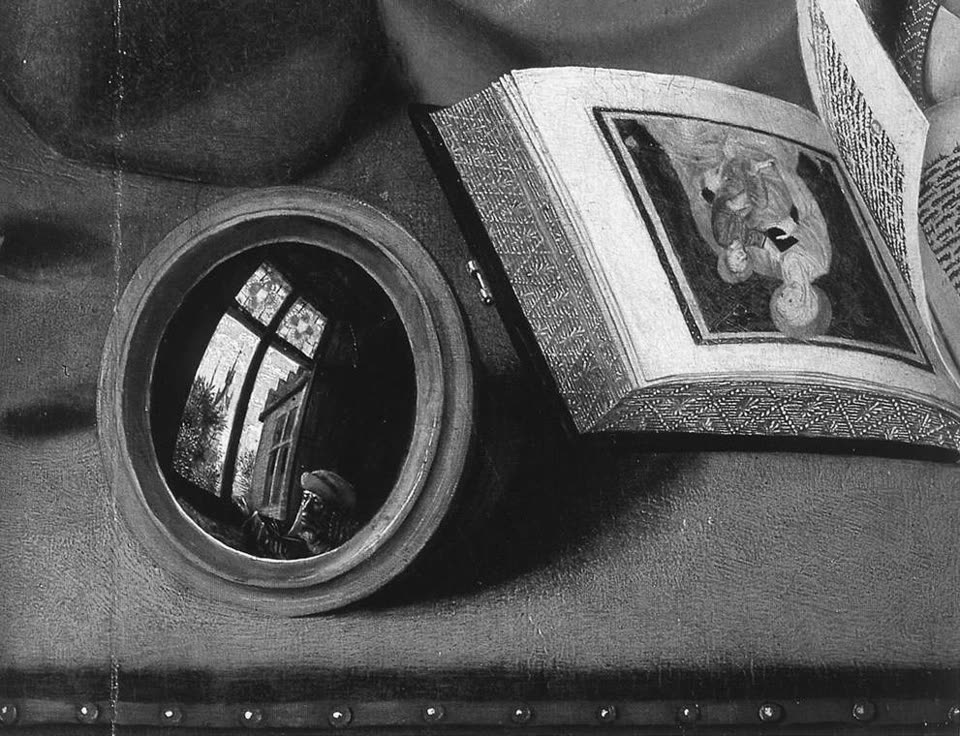
- Ilustracje: Quinten Massys, ‘The Money Changer and His Wife’, 1514. Louvre; Quinten Massys, ‘The Money Changer and His Wife’, 1514, detail; Civil Code amendment, 2005. Journal of Laws No. 157, item 1316; Amendment concerning interest, 2015. Journal of Laws, item 1830.
This article is historical and informational and does not constitute legal advice.