
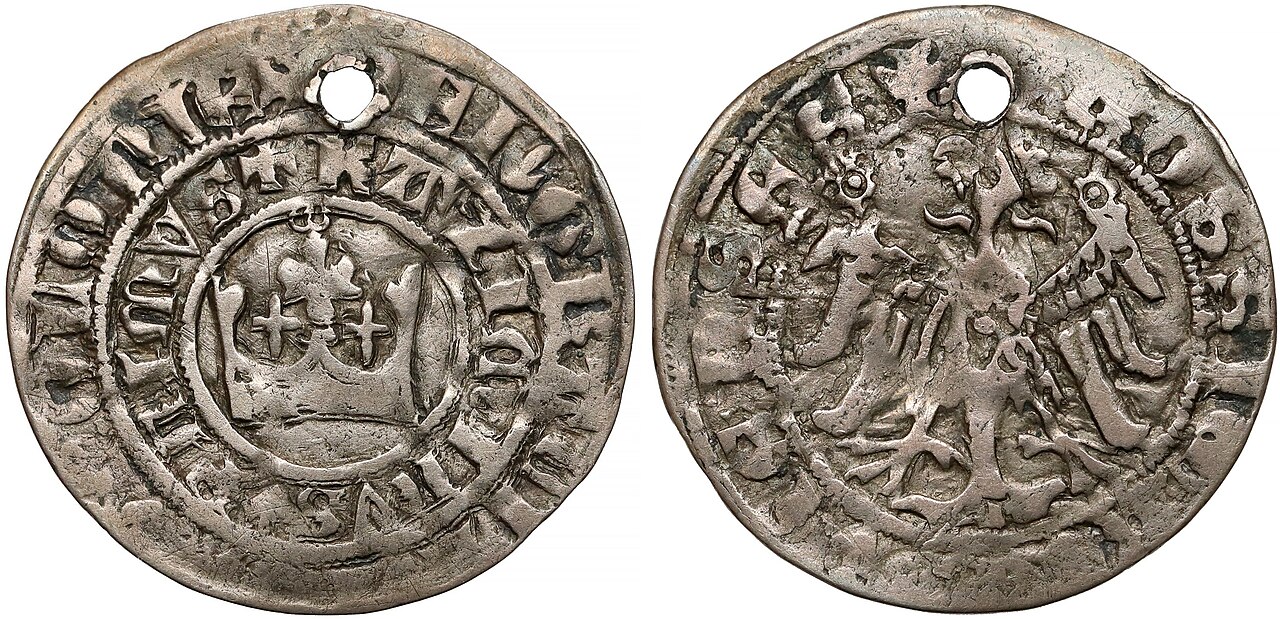
- The Kraków grosz was minted in Kraków around 1367–1370, closely following the design of Prague groschen introduced in Bohemia in 1300.
- The example in the National Museum in Kraków weighs 3.1 g and is 28.5 mm in diameter; few survive.
- In Kraków in 1369–1373, an ox cost 48–73 grosze, shoes 2 grosze a pair, and an achtel of beer 10 grosze.
The Prague groschen, introduced by King Wenceslaus II of Bohemia in July 1300, was the first ‘perpetual’ coin of stable value in this part of Europe, and quickly dominated the Bohemian and Polish markets. Casimir the Great wanted his own counterpart. The National Museum in Kraków dates the Kraków grosz to around 1367–1370; the coin closely followed the Prague design, with inscriptions and imagery adapted to Poland: the king’s name and title on the obverse, and the Piast eagle with GROSSI CRACOVIENSES on the reverse.
The example in the Kraków museum weighs 3.1 grams and measures 28.5 millimetres in diameter. Relatively few grosze entered circulation, as indicated by the small number surviving today; small local coins with reduced precious-metal content dominated everyday transactions in Poland. The issue was brief but symbolic: Poland’s first large silver coin bearing an eagle.
What could one buy for a grosz? Kraków’s account books from the last years of Casimir’s reign and the first years after his death record: a ćwiertnia measure of oats, 3 grosze (1369); a calf, 13 grosze (1372); an ox, 48 to 73 grosze; shoes, 2 grosze a pair (1371); an achtel of beer, 10 grosze (1373); and a good riding horse, from 48 to as much as 192 grosze. A loaf of bread cost roughly half a grosz. The Prague groschen then contained around 3.5 grams of silver, making the new Kraków coin slightly lighter than its model.
Money changes in value, which is why interest is payable on late payments. Calculate it for your invoice: e‑PGW interest calculator.
Sources and documents
- National Museum in Kraków, collection catalogue: Casimir the Great (1333–1370), Kraków grosz, Kraków, c. 1367–1370, inventory No. MNK VII-P-2600, katalog.muzeum.krakow.pl.
- K. Janicki, ‘Prices in the time of Casimir the Great. What did bread, beer or a good riding horse cost in Poland?’, WielkaHistoria, 2 June 2020 (based on J. Pelc, ‘Prices in Kraków in 1369–1600’, Lwów 1935), wielkahistoria.pl.
- National Science Centre, description of a research project on the Prague groschen (Wenceslaus II’s reform of 1300), projekty.ncn.gov.pl.
- Illustration: Kraków grosz coin of Casimir the Great. Photo: Gabinet Numizmatyczny Damian Marciniak, 2020. Authorship: Gabinet Numizmatyczny Damian Marciniak. A proportionally scaled Commons thumbnail was downloaded, or the original where no thumbnail was available; no additional retouching or cropping. The card display uses a CSS greyscale filter. Rights: CC BY-SA 4.0., Illustration provenance.
- Terms of use: CC BY-SA 4.0., CC BY-SA 4.0.
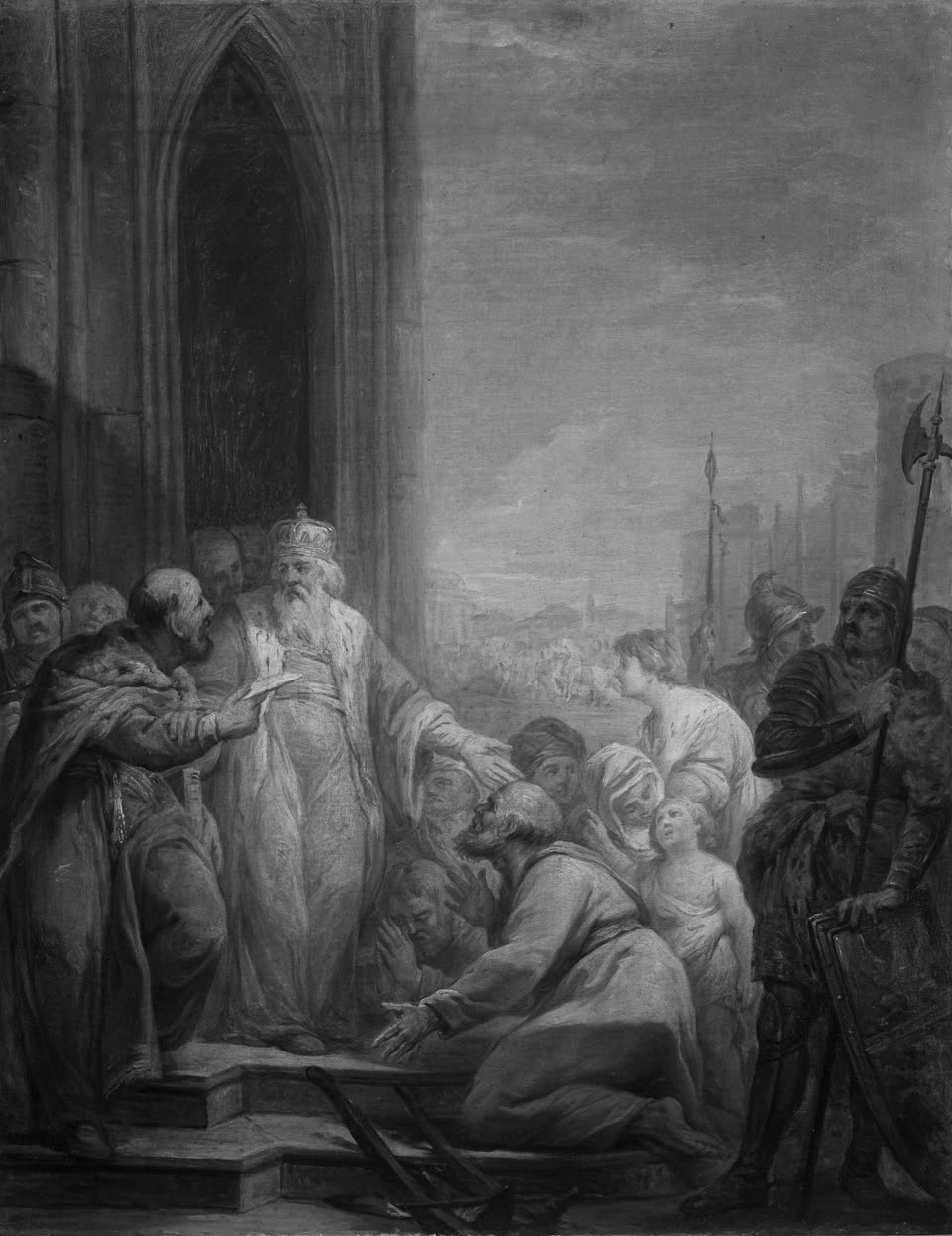
- Supplementary illustration: Casimir the Great, portrait by Marcello Bacciarelli, circa 1770. National Museum in Kraków. Context for the place, person or period, not a photograph of the event on the date in the title. Provenance and restrictions: work in the public domain, reproduction CC0; EXIF Paweł Czernicki; MNK 318884., Illustration provenance.
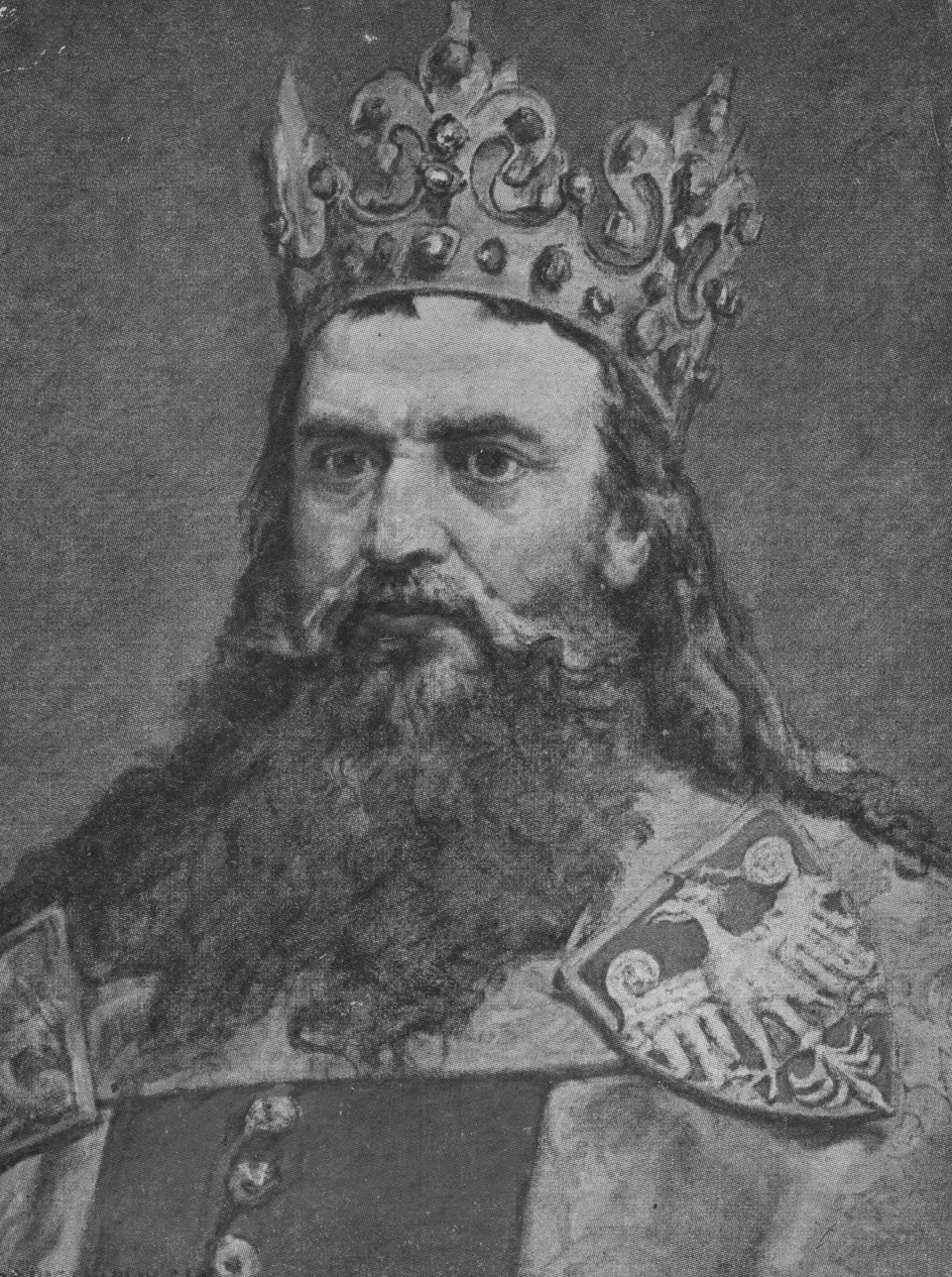
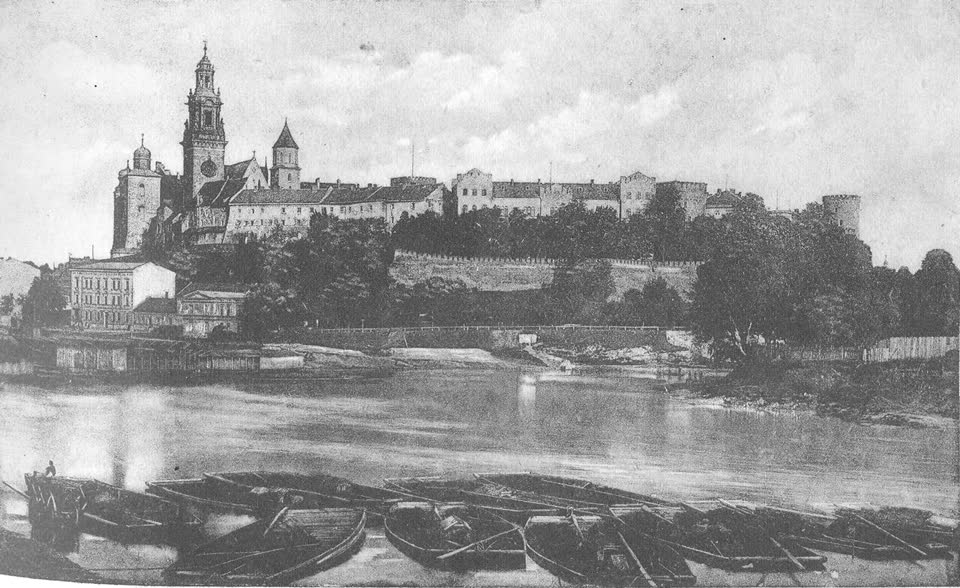
- Ilustracje: Casimir the Great, drawing by Jan Matejko from his series of kings, interwar reproduction; Kraków, Wawel seen from the Vistula, 1930s. Bulgarian State Archives; Kraków grosz coin of Casimir the Great. Photo: Gabinet Numizmatyczny Damian Marciniak, 2020; Casimir the Great, portrait by Marcello Bacciarelli, around 1770. National Museum in Kraków.
This article is historical and informational and does not constitute legal advice.